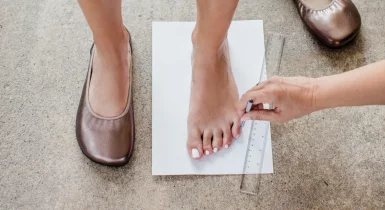
When is the ideal time to start with barefoot shoes?
Thinking about switching to barefoot footwear, but not sure when or how to start? The good news is that the ideal time is practically anytime! Discover why spring and summer are the most popular seasons to begin, how your feet gradually adapt to natural movement without pain, and how to choose your first pair of barefoot shoes step by step.

Are you thinking about when to start wearing barefoot shoes? Perhaps you're drawn to more natural movement, more room for your toes, or simply more comfortable footwear. At the same time, you probably have questions: Is switching to barefoot difficult? Do your feet hurt during the transition to barefoot? Can I wear barefoot shoes all day right from the start? The good news is that you can start with barefoot footwear at practically any age. However, it's important to know that switching to barefoot shoes is a process, during which your feet, muscles and entire body gradually get used to a new way of moving.
What does switching to barefoot footwear actually mean?
Many people imagine that "barefoot" simply means a thinner sole. In reality, though, barefoot shoes work a little differently from most regular footwear. Typical barefoot shoes have:
- an anatomically shaped toe box,
- plenty of room for the toes,
- a flexible sole,
- zero drop between the heel and the toe.
This means the foot works more naturally and more actively. That's exactly why the body needs some time to get used to this new way of moving. Switching to barefoot, then, isn't just about changing your shoes - it also means a gradual adaptation of your feet, muscles and movement habits.
When is the best time to start wearing barefoot shoes?
The short answer is simple - anytime. But if you're wondering which season is most suitable for starting out with barefoot footwear, many people consider spring and summer to be the ideal time. In our range of barefoot shoes, however, you'll find various models - from moccasins and espadrilles suited to spring, to summer sandals and ballet flats, all the way to winter shoes and boots. This means that whenever you decide to switch to barefoot footwear, SHAPEN barefoot shoes will support your decision in any season.
Why is summer an ideal time to make the switch?
Summer brings several advantages:
- more time spent outdoors,
- dry, more predictable surfaces,
- lighter, more breathable footwear,
- more opportunities to walk barefoot.
That's exactly why the switch to barefoot tends to feel more natural for many people during the warmer months. The feet receive more stimulation while also not being exposed to demanding winter conditions. That doesn't mean, however, that you can't start with barefoot footwear in autumn or winter. What matters more than the season is gradually increasing the time spent in your new shoes.


How to start with barefoot shoes - step by step
One of the most common mistakes is switching too quickly. If you've worn classic footwear your whole life, your body has developed certain movement habits. That's why we recommend introducing barefoot shoes for beginners gradually.
- Start with shorter periods - Wear your first barefoot shoes initially for shorter walks or regular daily activities. There's no need to jump straight into a full-day trip or a several-hour hike.
- Pay attention to your body - During the first few days, you may become more aware of the work your feet, calves or ankles are doing. This is a natural part of the adaptation process.
- Gradually extend the wearing time - If you feel comfortable, you can gradually increase the time spent in barefoot footwear.
- Alternate your footwear - In the early stages, it's perfectly fine to combine barefoot shoes with the footwear you normally wear.
Do your feet hurt during the transition to barefoot?
During the first few weeks, some people notice increased activity in the muscles of their feet or calves. The reason is simple - the body is learning to work in a slightly different way than it did in footwear with rigid support or a higher heel. Mild muscle fatigue after activity, therefore, isn't necessarily anything unusual. However, if you experience significant pain or long-lasting discomfort, it's a good idea to slow down the pace of the transition and, if needed, consult a specialist.
In some cases, you may also notice so-called "barefoot muscle soreness," which tends to appear mainly in the feet, calves and around the ankles. It's similar to what happens when you start engaging muscle groups that have previously worked less intensively. Adaptation, however, is individual for each person. Some people barely notice it, while others feel the change more strongly.
Our barefoot shoes

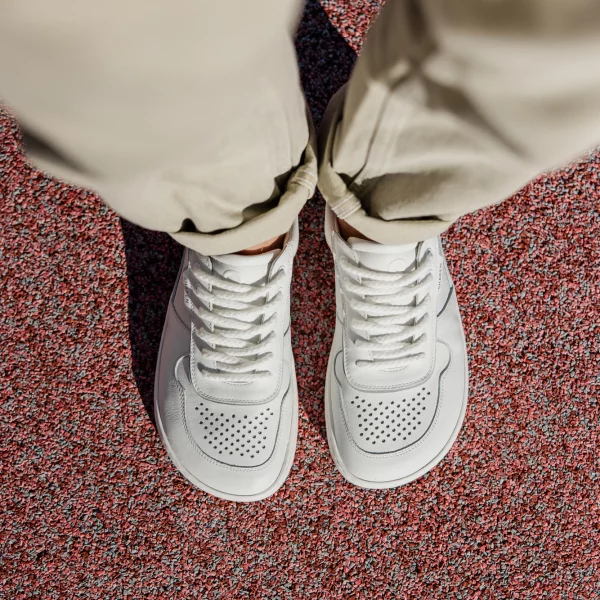


 Vegan
Vegan 


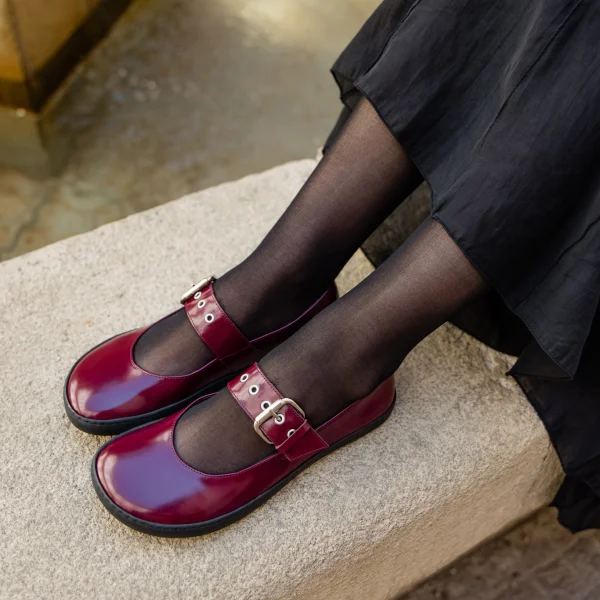

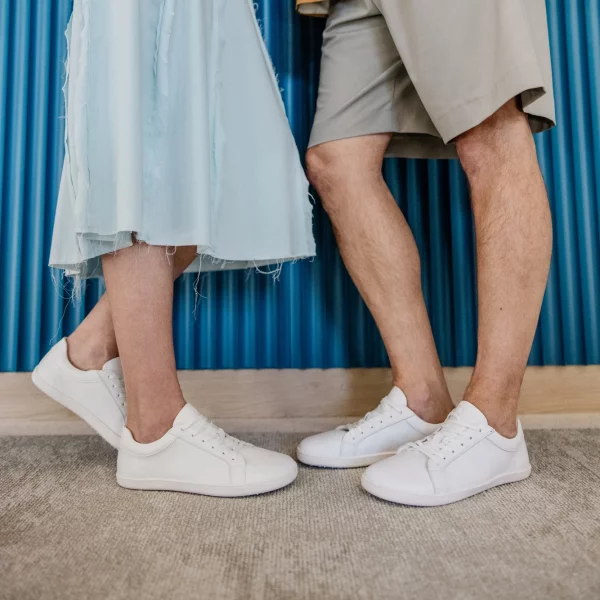


Can I wear barefoot shoes all day?
At the beginning, we usually recommend a gradual approach. Whether you can wear barefoot shoes all day depends on:
- your previous experience,
- the type of activities you do,
- the sensitivity of your feet,
- the overall condition of your musculoskeletal system.
Some people manage all-day wear very quickly, while others need several weeks of gradual adaptation. The most important thing is to listen to your body and not increase the load too quickly.
How to choose your first pair of barefoot shoes?
If you're choosing your first pair of barefoot shoes, focus on the model you'll wear most often.
When choosing, we recommend paying attention to:
- the correct size,
- enough room for the toes (allowance at the front),
- the right width of the shoe,
- the material and season it's suited to,
- how you plan to use it.
For beginners, barefoot sneakers, ballet flats or sandals tend to be popular choices, as they combine easily with an everyday wardrobe.