Vegetable-Tanned Leather in SHAPEN Barefoot Shoes: A Natural Material for Healthy Feet
Natural leather with a character that becomes even more distinctive over time. Vegetable-tanned leather is one of the traditional materials that continues to have its place in high-quality footwear today. Discover what makes it special, how it is made, why we chose it for SHAPEN barefoot models and how to care for it properly.
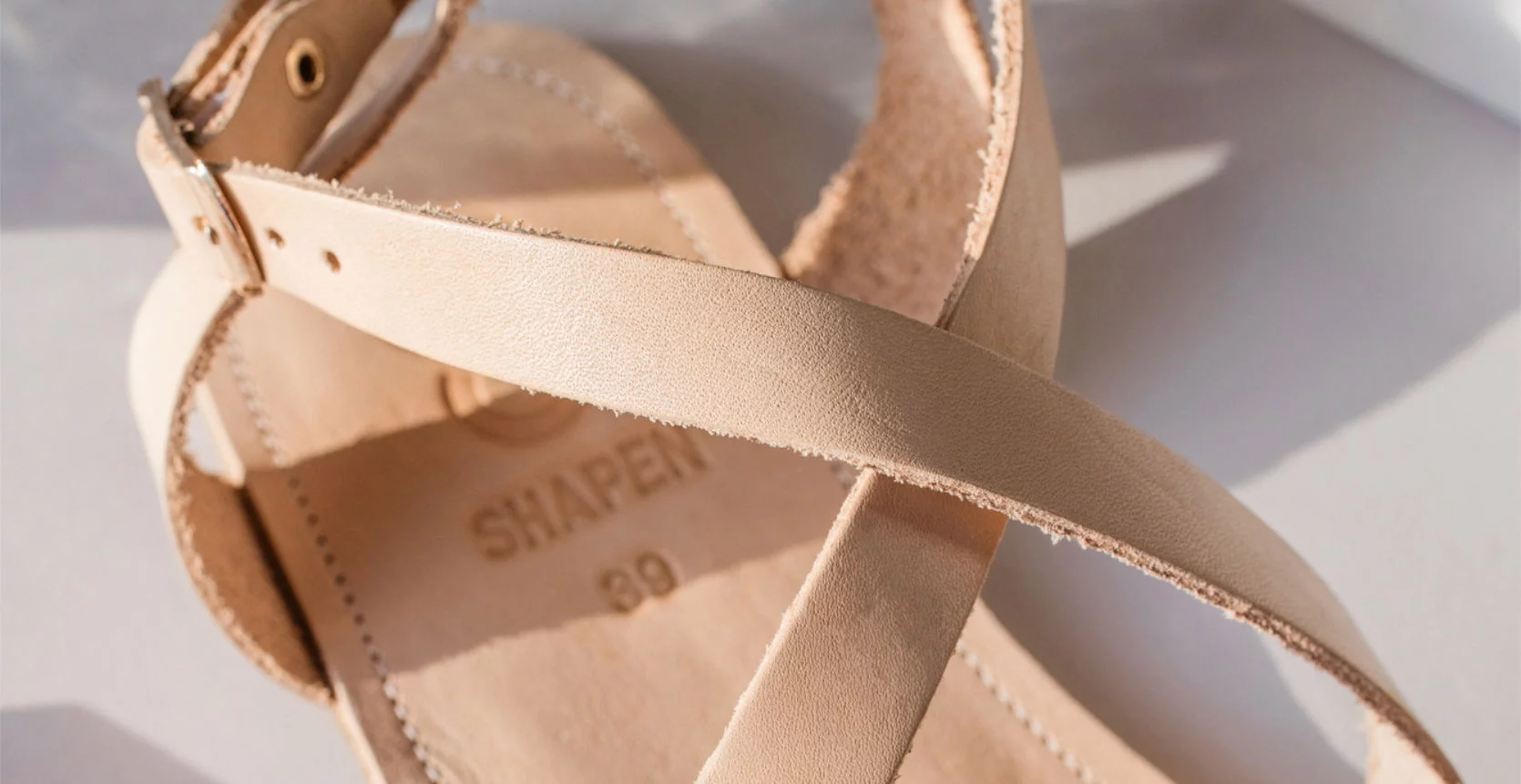
With barefoot shoes, every detail matters. Not just the shape of the shoe, the flexible sole, or the room for the toes, but also the materials that come into contact with your feet every single day. That's exactly why, at SHAPEN, we pay special attention to material selection. One of the most interesting materials in our range is vegetable-tanned leather, also known as bark-tanned leather. It's a natural material with a long tradition, gaining popularity not only for its look but also for its unique properties.
What is vegetable-tanned leather?
Vegetable-tanned leather is a type of natural leather processed using tannins derived from plant sources, such as tree bark, leaves, roots, or fruit. Unlike conventional industrial leather processing, this method uses natural substances that give the material its characteristic look, scent, and properties. The result is a natural leather that retains its authenticity, unique texture, and ability to age naturally. Each piece of leather is one of a kind and develops its own patina over time, which only adds to its character. This is exactly why vegetable-tanned leather is popular in craftsmanship and is increasingly found in the segment of quality, sustainable footwear.
What's the difference between vegetable-tanned and regular leather?
The main difference lies in the processing method. Regular leather is most often processed using chrome tanning, which allows for faster, larger-scale production. Leather treated this way is often finished with various surface coatings that hide its natural texture. Vegetable-tanned leather, on the other hand, retains its natural character. Its surface shows subtle irregularities, which are proof of the material's authenticity. This means every pair of shoes is unique.
Why do we use vegetable-tanned leather in SHAPEN barefoot shoes?
When developing new models, we try to choose materials that support the philosophy of barefoot footwear. Barefoot shoes are designed to respect the natural movement of the foot - and we look for that same principle in our materials. Vegetable-tanned leather won us over with its natural feel, softness, and ability to work together with the foot. It gradually adapts with wear while keeping its unique character. Beyond its aesthetic qualities, we also value its craft origins, quality of processing, and timelessness. In an age of mass production, it represents a return to honest materials and traditional manufacturing methods.
The benefits of vegetable-tanned leather for your feet
The material a shoe is made from has a major effect on comfort while wearing it. With barefoot footwear, this matters twice as much.
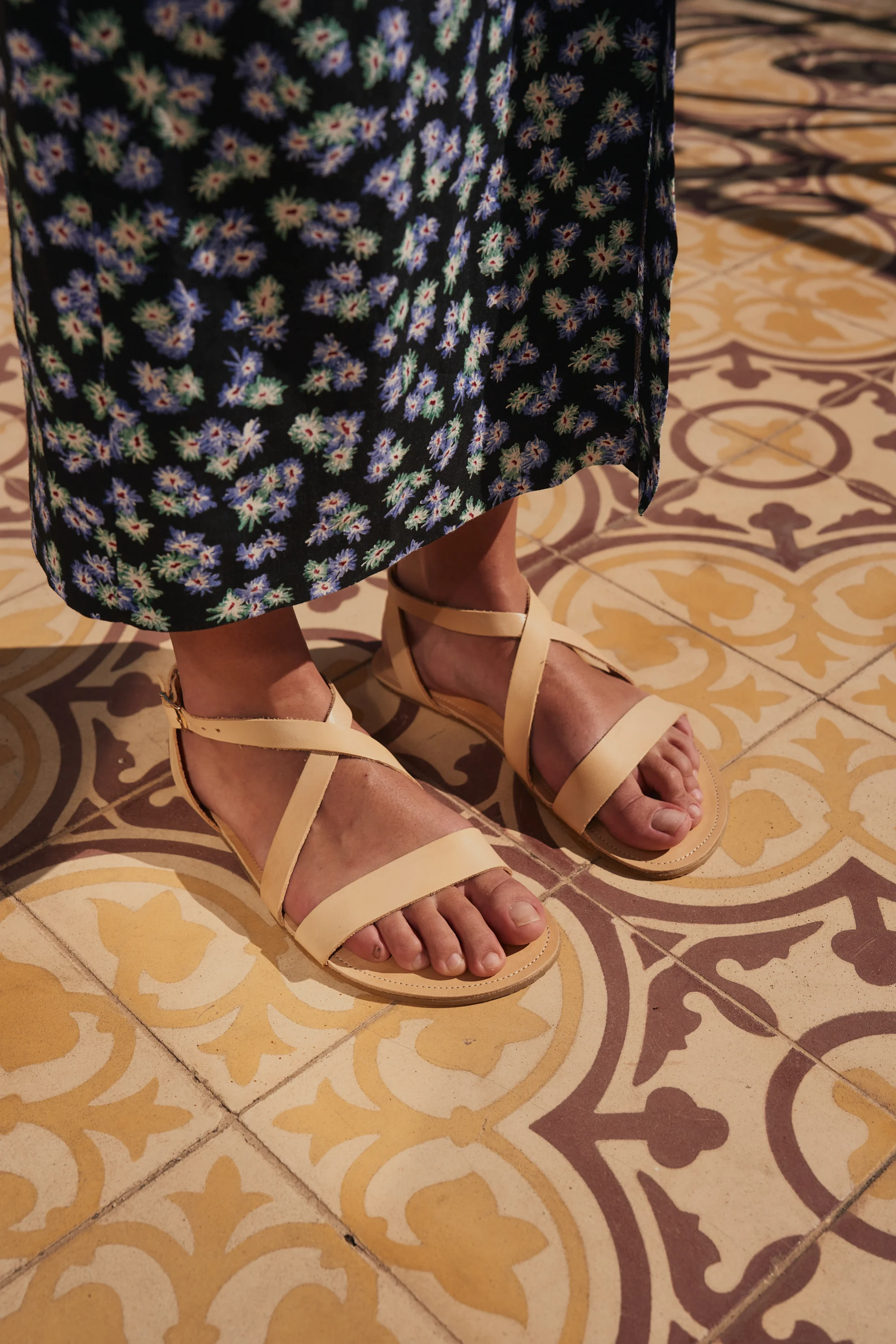
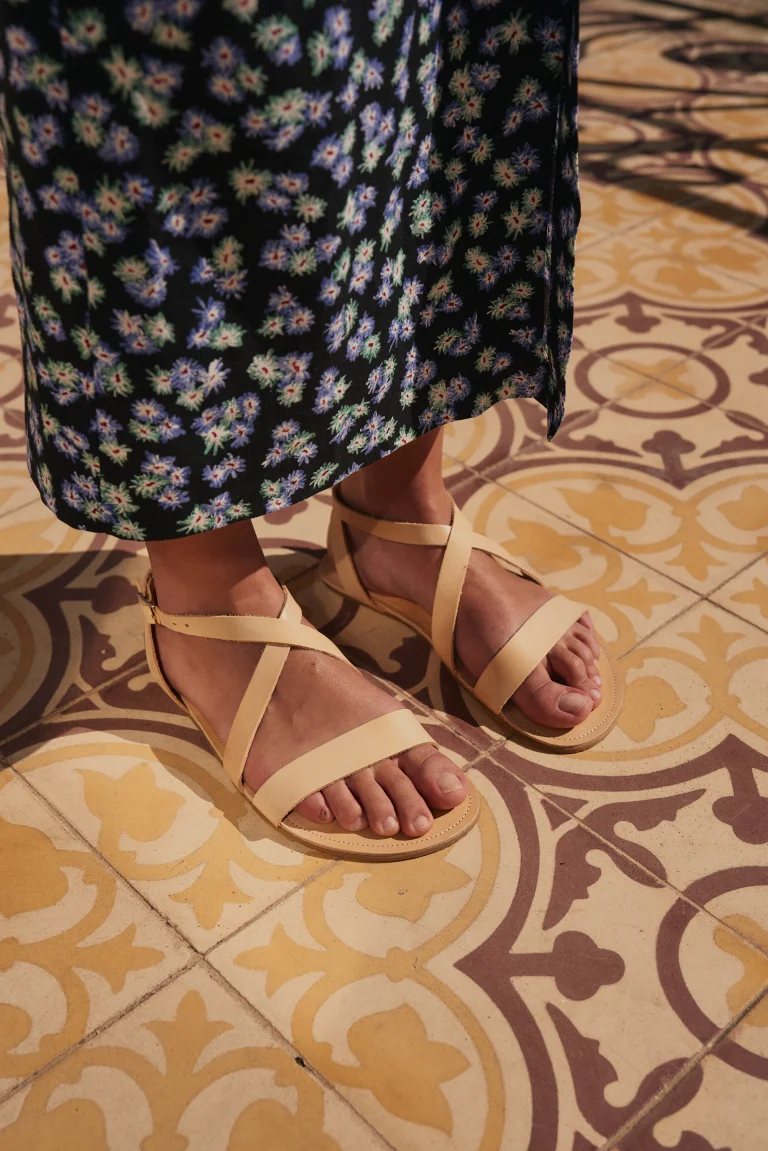
- Natural softness - vegetable-tanned leather feels pleasant to the touch and has a naturally soft feel. This means the foot isn't unnecessarily restricted by stiff or artificially reinforced materials.
- Adapts with wear - one of its greatest advantages is the leather's ability to gradually respond to how it's worn. Over time, the material adapts and takes on a unique look.
- Authentic character - every piece of leather has its own grain, texture, and color variations. That's why each pair of shoes is one of a kind.
- Timeless look - natural leather doesn't age the way synthetic materials do. Quite the opposite - with use, it gains character and individuality.


Is vegetable-tanned leather eco-friendly?
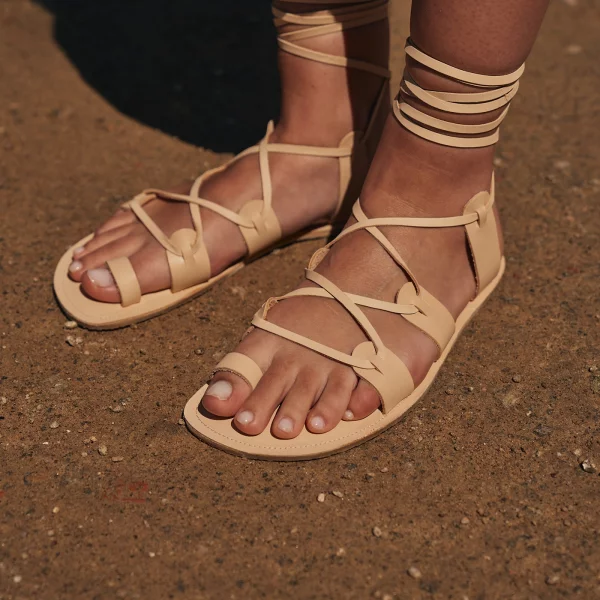
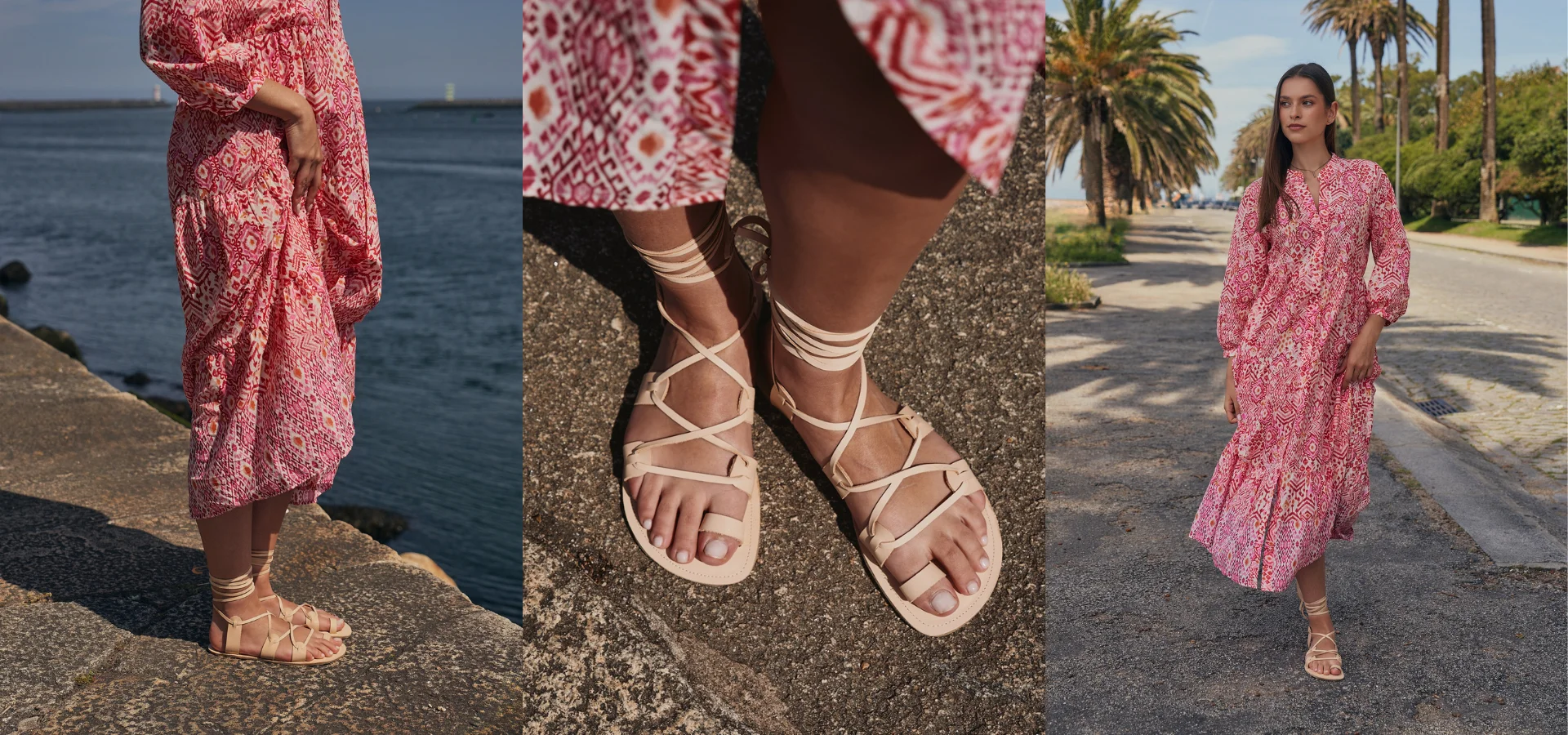
While there's no one-size-fits-all answer, vegetable tanning is a traditional leather-processing method that uses natural tannins instead of some of the chemicals commonly used in other processes. That's exactly why vegetable-tanned leather is often associated with terms like eco-friendly leather or sustainable footwear. The long lifespan of the material also plays an important role. Quality leather that's properly cared for can serve you for many seasons, supporting a more responsible approach to consumption.
What's the best leather for barefoot shoes?
Every type of leather has its own specific properties. Smooth leather offers an elegant look and easy maintenance, suede stands out for its softness, and nubuck offers increased durability. Vegetable-tanned leather, however, brings something extra to the table - authenticity, a natural feel, and the ability to age with grace. That's exactly why it found its place in the SHAPEN collection too.
How to care for vegetable-tanned leather?
If you're wondering how to care for natural leather, a simple rule applies to vegetable-tanned leather: less is often more. Since it's a natural material without heavy surface treatments, we recommend:
- regularly removing dust and dirt with a soft cloth,
- avoiding harsh cleaning products,
- using a quality shoe cream or care product designed for natural leather,
- letting the shoes dry naturally, away from direct heat sources.
Using shoe cream can enhance the leather's color while also protecting it from dirt and drying out. It's completely natural for the leather to darken slightly after treatment and develop its characteristic patina over time. At SHAPEN, we believe quality barefoot shoes start with quality materials. Vegetable-tanned leather represents a combination of craftsmanship, natural character, and timeless elegance. If you're looking for SHAPEN barefoot shoes that combine the natural movement of the foot with an exceptional natural material, our vegetable-tanned leather models let you experience barefoot footwear in its most authentic form.