The Most Common Mistakes in Caring for Barefoot Shoes
Proper care has a major effect on both the lifespan and the look of your shoes. Yet many people make small but significant mistakes that can weaken the material, cause it to lose its shape, or shorten its functionality. All it takes is a little attention to your shoes and avoiding a few bad habits that quietly damage them.
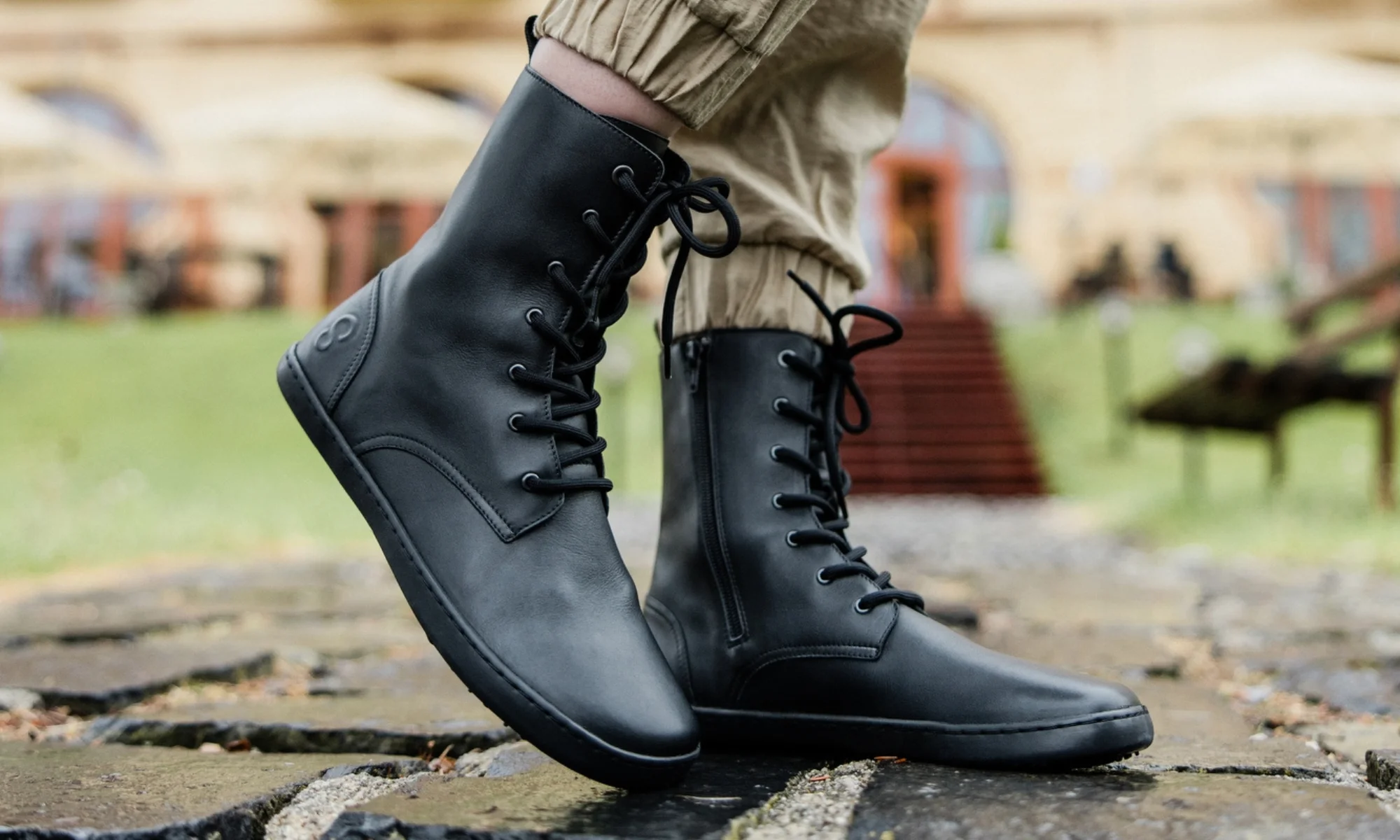
Barefoot shoes have been growing in popularity thanks to their natural movement, flexibility, and comfort. Unlike classic footwear, though, they have a specific construction: a thin sole, soft and breathable materials, and minimal reinforcement. That's exactly why they call for slightly different care. If you want yours to last as long as possible, avoid these common mistakes:
1. Washing them in the washing machine
One of the biggest mistakes is washing barefoot shoes in a washing machine. While it might seem like a quick solution, the intense spinning, high temperatures, and excess moisture can damage glued seams, deform the sole, and weaken the material. Barefoot shoes are flexible, which makes them more sensitive to mechanical stress. Instead, clean them by hand using a soft brush, lukewarm water, and a suitable cleaning product.
2. Drying on a radiator or near a direct heat source
Wet shoes on a radiator are a big mistake. Direct heat can cause the leather to harden, the material to crack, or the sole to come unglued. Dry barefoot shoes naturally, at room temperature. To speed up the process, stuff them with paper, which will absorb moisture and help the shoes keep their shape.

3. Insufficient waterproofing
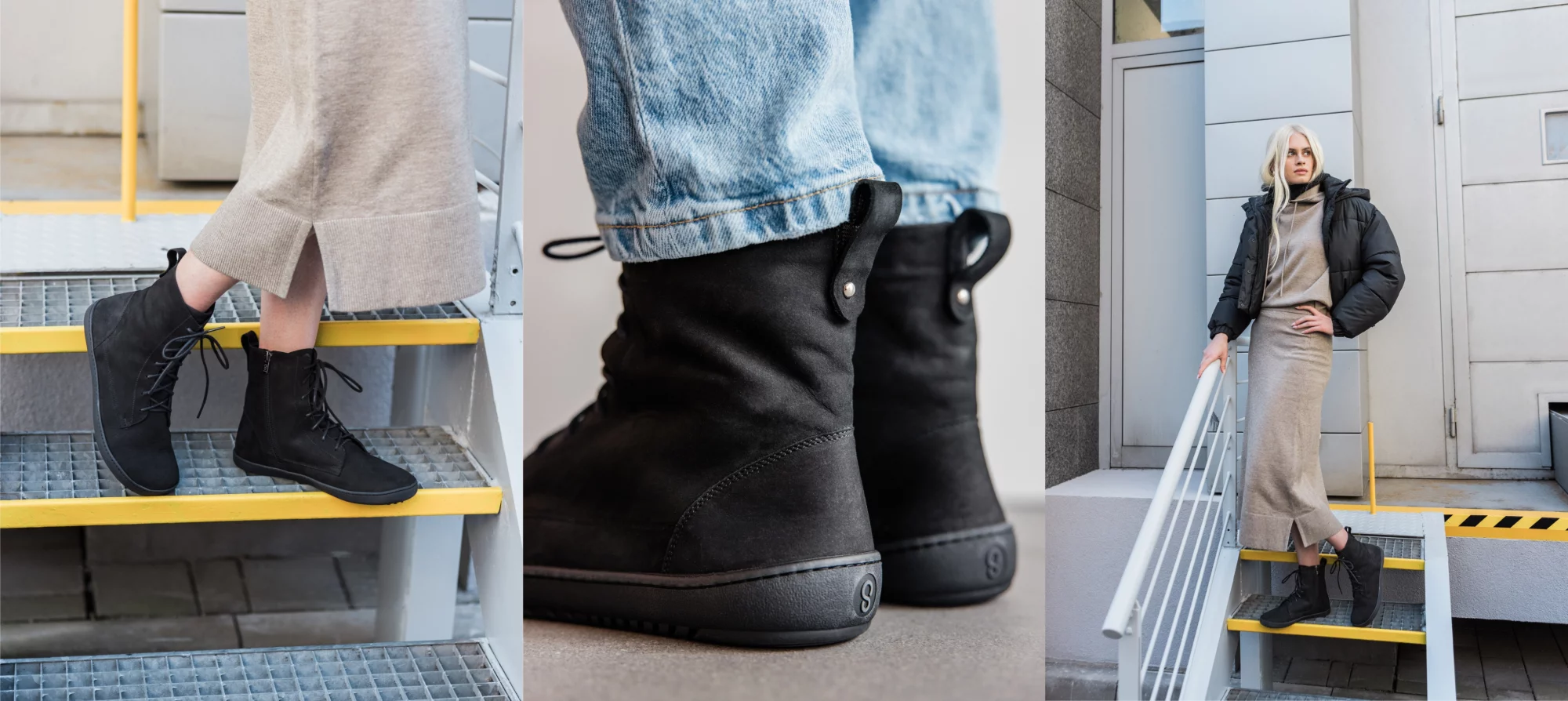
Many barefoot shoe owners underestimate the importance of protecting their shoes from moisture. Thin, breathable materials offer great comfort, but without waterproofing they're more prone to getting soaked and dirty. Regularly using a quality waterproofing spray significantly extends the life of your shoes and preserves their appearance.
4. Improper storage
The delicate, flexible construction of barefoot shoes deserves proper care. If they're squeezed into a crowded closet, crushed under heavy shoes, or exposed to moisture for long periods, their lifespan shortens significantly. Barefoot shoes need a dry, airy spot where they can breathe naturally.
5. Wearing them without a break
Wearing the same pair every single day without giving it any "rest" leads to faster wear and tear. Materials need time to dry out and recover. If you wear barefoot shoes daily, consider rotating between at least two pairs.


6. Using them on unsuitable terrain
Not every pair of barefoot shoes is designed for rough terrain, mud, or extreme conditions. City models don't have the same durability as outdoor variants. Using them outside their recommended environment can lead to premature damage to the sole or the upper.
How to extend the lifespan of your barefoot shoes?
- Clean them regularly, but gently.
- Waterproof them with a suitable product for the material type.
- Dry them naturally, never near direct heat.
- Rotate between several pairs.
- Choose your model based on how you'll actually use it.
Barefoot shoes are an investment in healthy movement. Proper care not only extends their lifespan but also preserves their functional properties. Just avoid the basic mistakes and give them a little attention, and both your feet and your shoes will thank you.
