Winter Care for Barefoot Shoes
Winter puts footwear to the test more than any other season. Cold, moisture, and road salt gradually weaken materials, so your shoes deserve more thorough, regular care during the winter months.
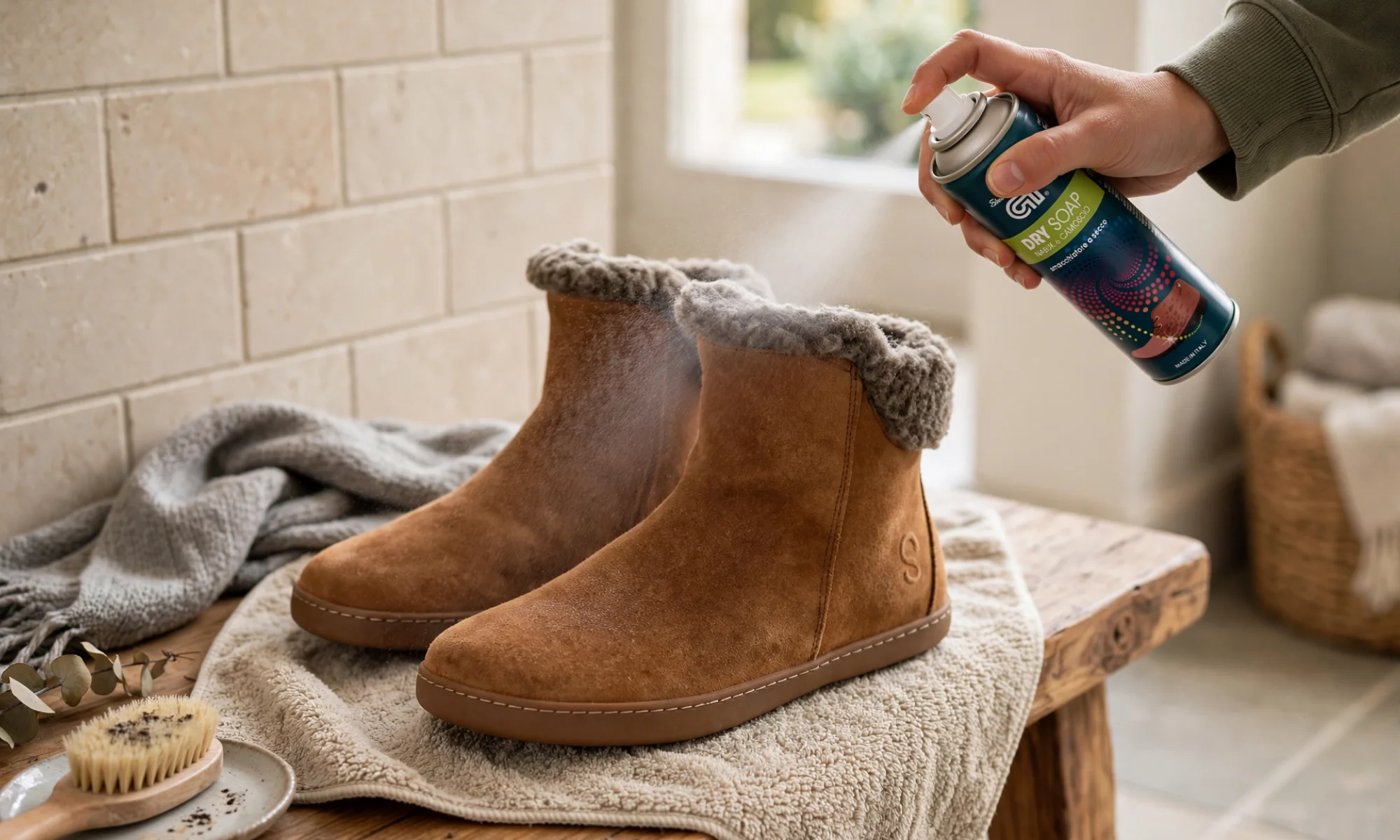
Winter is one of the most demanding seasons of the year for footwear. Frost, moisture, snow, road salt, and constant temperature swings add up to a combination that can significantly shorten the life of your shoes. For barefoot shoes, this applies twice over. A thin sole, soft natural materials, and a flexible construction call for a slightly different approach than classic rigid footwear. If you want your barefoot shoes to last more than one season, winter care should be regular and well thought out.
What harms barefoot shoes most in winter?
1. Road salt - From a footwear perspective, salt is one of the most aggressive winter factors. It dissolves in water and penetrates the material of the shoe. Once dry, it leaves white stains and crystals that:
- dry out the material,
- weaken the seams,
- can cause the material to harden.
2. Moisture and snow - When snow melts, moisture seeps into the material, and when temperatures drop it can freeze again. This repeated cycle of damp and frost can:
- weaken glued joints,
- deform the insole,
- reduce the flexibility of the sole.
3. Mud and dirt - Mud contains not only soil but also tiny stones and chemical residues from the roads. If it isn't removed, it can:
- mechanically damage the surface of the material,
- gradually wear down the seams,
- create micro-cracks.
The basic rule: clean up when you get home
The biggest mistake is leaving dirty or wet shoes untreated. After every wear in winter conditions, you should:
- Remove coarse dirt - with a soft brush or cloth.
- Wipe off moisture and salt - with a slightly damp cloth (not soaked).
- Let them dry naturally - at room temperature.
The sole and its care
Barefoot soles are thin and flexible. Check regularly:
- whether the sole is coming away,
- whether there are micro-cracks in the joins,
- whether small stones are getting caught in the grooves.
Trapped stones can create point pressure while walking and damage the material over time. If you notice the sole starting to peel away, deal with it as soon as possible. Minor damage is easier to repair than a fully detached sole.
The inside of the shoe: an often neglected part
Winter socks tend to be thicker, feet may sweat more, and moisture lingers inside the shoe. If the inside stays damp for a long time, there's a risk of mould and odour, as well as degradation of the material from within.
We recommend:
- regularly removing and airing the insoles,
- leaving shoes open after wearing them,
- occasionally using natural deodorising solutions (e.g. baking soda in a fabric pouch).
What to avoid
- Storing wet shoes for long periods.
- Scrubbing with hard brushes.
- Harsh cleaning agents.
- Machine washing.
- Quick drying at high temperatures.
Off-season storage
When winter is over:
- Clean the shoes thoroughly.
- Let them dry completely.
- Treat the material with a suitable shoe-care product.
- Stuff them with paper or shoe trees.
- Store them in a dry, ventilated place.
Winter care for barefoot shoes isn't complicated, but it does require regularity and a gentle touch. The biggest enemies are salt, moisture, quick drying, and neglect. Because barefoot footwear is flexible and often made from more natural materials, it reacts more sensitively to extreme conditions, but with proper care it can reliably serve you for several seasons.
The key is a simple principle: clean as you go, dry slowly, check the condition of the material, and don't wait for a small problem to turn into major damage.