Bunions (a deviation of the big toe): How can barefoot shoes help?
Hallux valgus is an increasingly common foot problem that is closely related to the shoes we wear. A more natural approach to walking and enough space for the toes, offered by barefoot shoes, can play an important role in the prevention and care of foot health.
What is a bunion (a deviation of the big toe)?
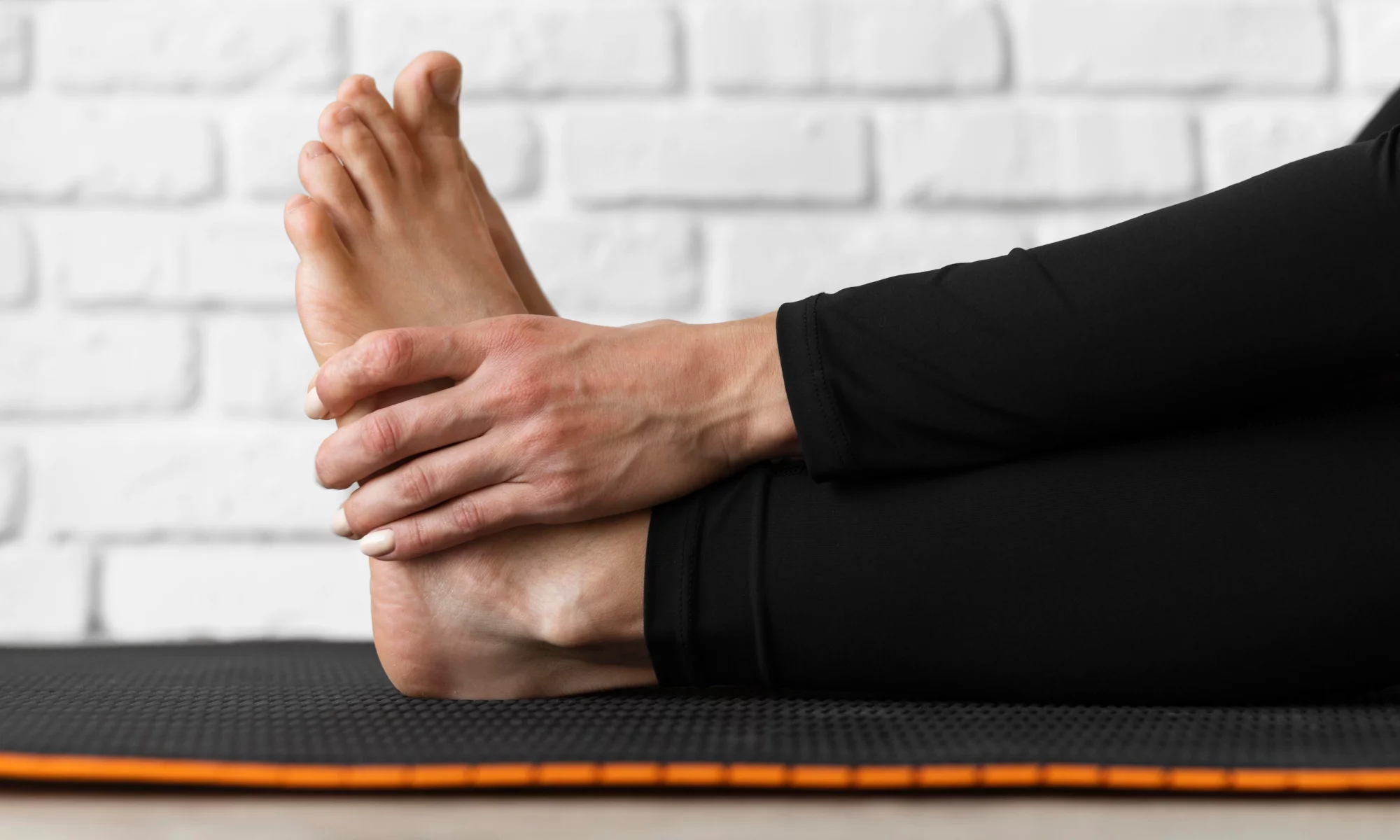
A bunion is an orthopedic problem in which there is a deformity of the big toe. The big toe deviates towards the other toes, while its joint bulges outward, towards the inside of the foot. This condition is also known as a crooked big toe and can cause pain, inflammation, problems with footwear, and impaired foot function.
What causes bunions?
The cause is not always clear, but the most common factors include:
- Genetic predisposition - weakness of the ligamentous apparatus can be hereditary.
- Inappropriate footwear - narrow shoes, high heels and shoes with a hard, inflexible sole press the toes into each other, distorting their natural position.
- Disorders of foot biomechanics - e.g., flat feet, hypermobility or incorrect posture.
- Decreased function of the small muscles of the foot, which keep the arches and toes in the correct position.
How does barefoot footwear help with bunions?
Barefoot shoes can play a key role in both prevention and symptom relief:
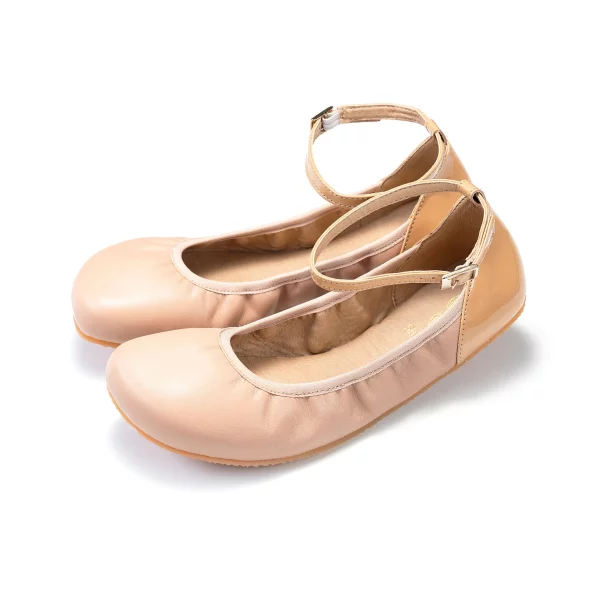
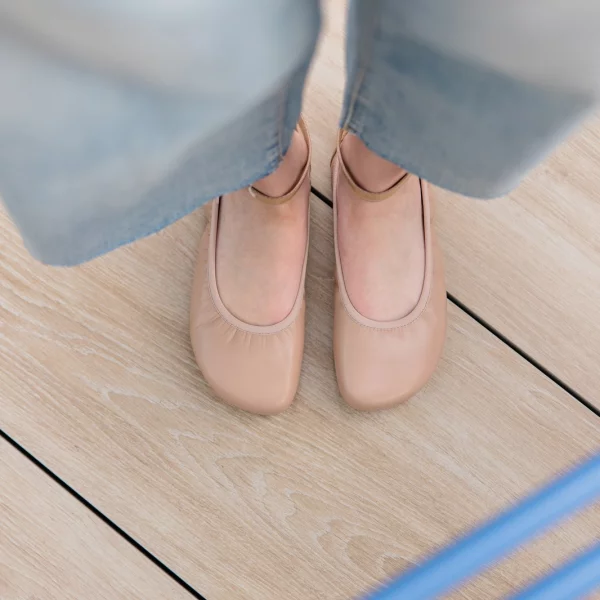
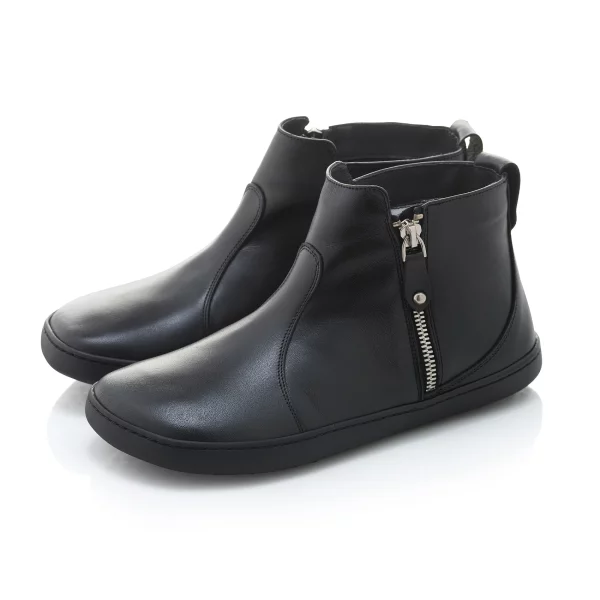
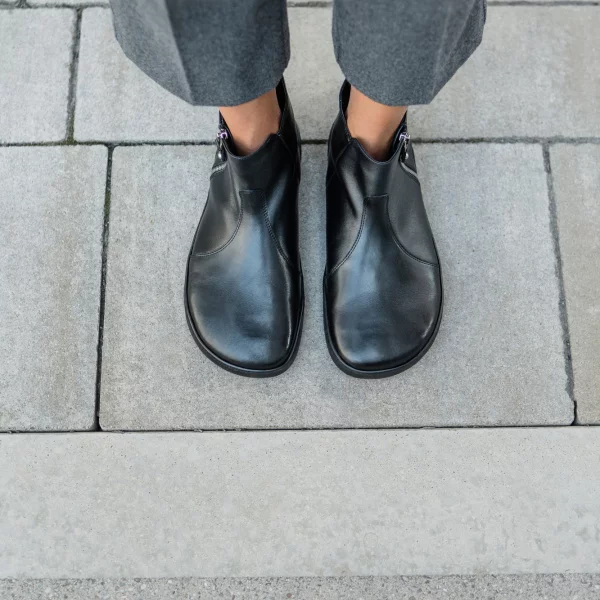
- Toe space - the wide toe box prevents the toes from being pressed against each other, and this helps to keep the big toe in the correct position, especially in the early stages of deformity.
- Activation of the muscles of the foot - barefoot shoes promote the activation of the small muscles of the foot, which often become weak with ordinary shoes. Stronger muscles better hold the arches and stabilize the toes.
- Improved posture and gait - walking in barefoot footwear leads to a more natural pattern of movement - from the heel through the middle to the toe - reducing the overload of some parts of the foot.
- Prevention of further aggravation - if a bunion is at an early stage, switching to barefoot footwear (in combination with exercise) can stop or slow the progression of the deformity.


 Vegan
Vegan 

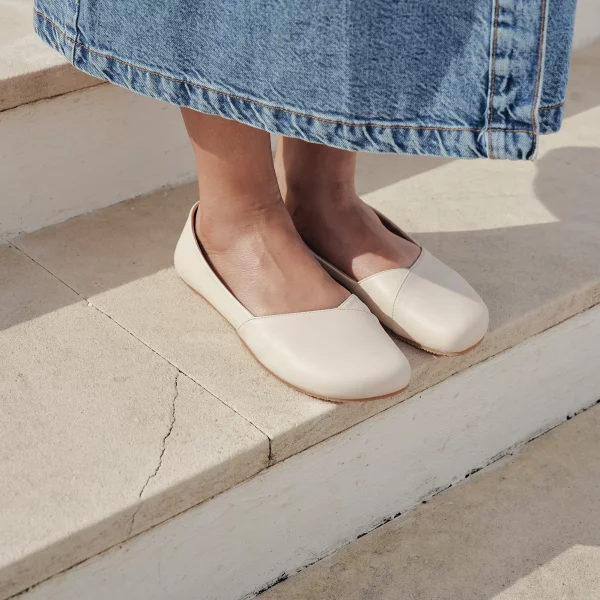


How to start wearing barefoot with a bunion?
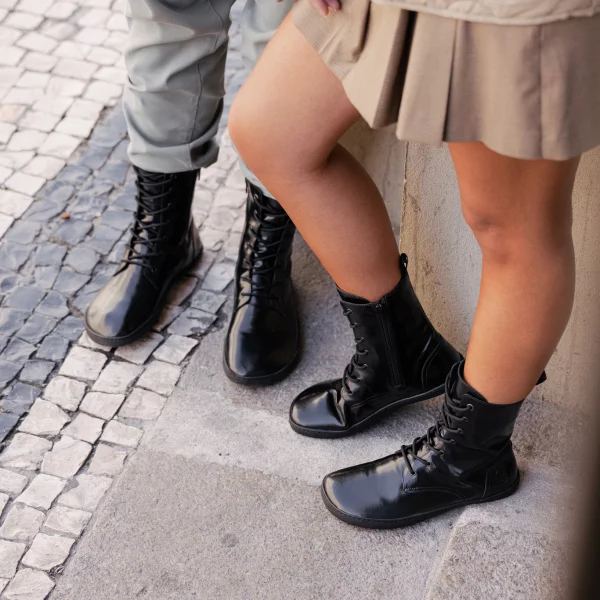
The transition to barefoot footwear should be gradual, especially if your feet have weakened over an extended period of time. Here are some recommendations:
- Consult your problem with a specialist - before changing footwear, consult a physiotherapist or orthopedist about how to switch to barefoot in the smoothest way.
- Start gradually - wear barefoot footwear first for shorter walks, at home or in familiar terrain. Muscles need time to adapt.
- Exercise the feet - regular exercises to strengthen the toes and arch (e.g., squeezing a towel, walking on tiptoe, exercises with a rubber stretch cord) are key to solving the problem of foot deformity.
- Use correctors or toe separators - also suitable are devices that mechanically help keep the toes in their proper position - especially overnight or while resting.
Having a bunion is an unpleasant but solvable problem that is closely related to how we walk and in what footwear. Barefoot footwear offers a return to naturalness, giving the feet space, freedom and functionality. However, this is not a self-saving solution, it requires changing habits, conscious movement and taking care of your body. With a combination of the right footwear, regular exercise and possibly professional help, bunions can not only be manageable, but also improvable.