Extra Space in Barefoot Shoes - Why It Matters and How to Measure It Correctly
Barefoot shoes are not just about design or material. The right amount of extra space is also key, because it ensures natural foot movement and comfort. The right extra space allows your feet to move freely and provides maximum comfort with every step.
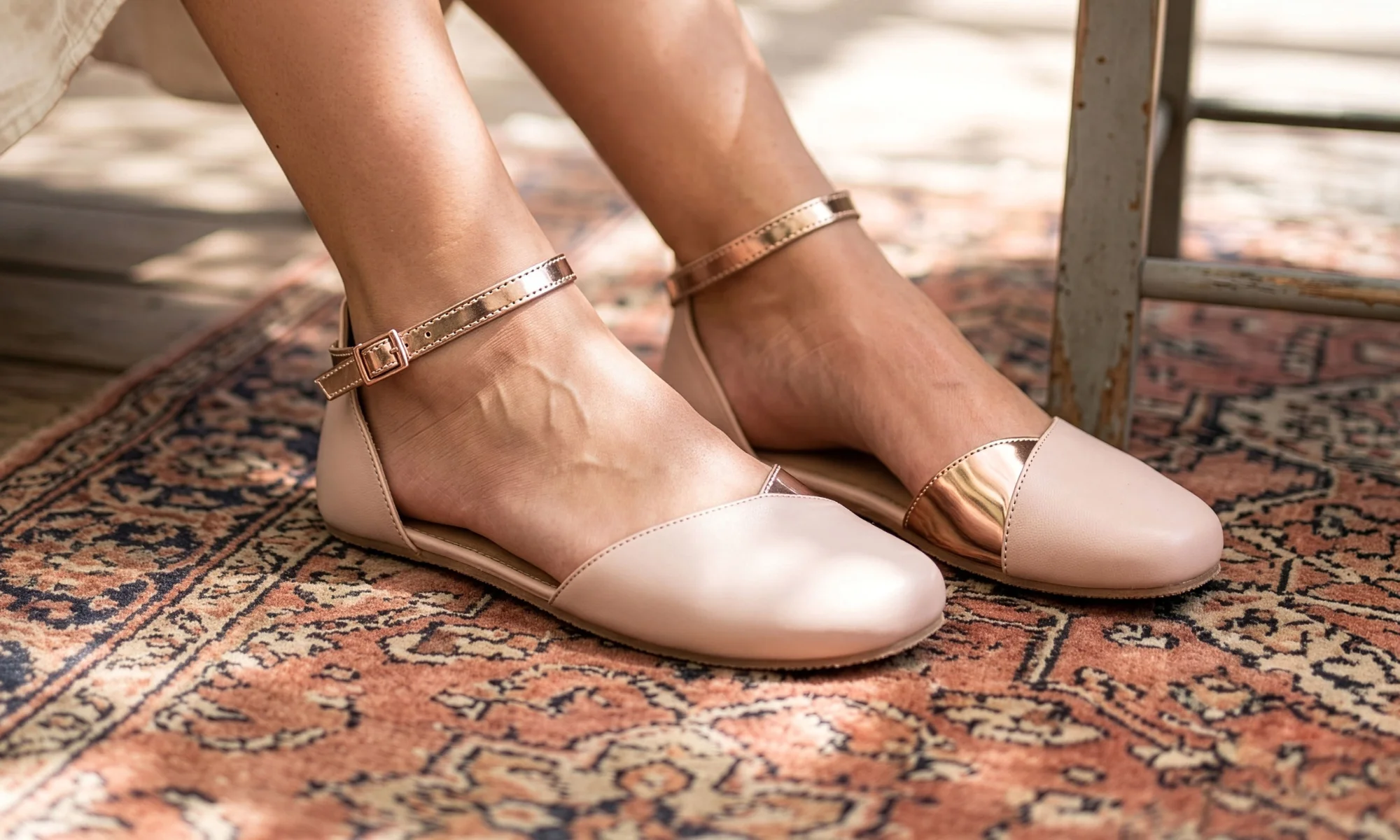
When choosing barefoot shoes, you will often come across the term extra space. Many people overlook it, but this detail makes all the difference in whether the shoes feel comfortable and support the foot’s natural movement. Extra space defines how much room the toes and heel have inside the shoe, and the right amount is essential for foot health and comfort.
What is extra space?
Extra space is the additional room inside the shoe that allows your foot to move naturally. It is a small allowance beyond the length of the foot, preventing the shoe from pressing on the toes or heel. Extra space is measured in millimeters, and in barefoot shoes it needs to be just right - neither too small nor too large.
Why is extra space important in barefoot shoes?
- It ensures comfort - Extra space allows the toes to move freely and spread out when walking, which is central to the barefoot experience. Too little extra space can cramp the toes and gradually affect the natural shape of the foot.
- It supports the foot’s natural movement - Barefoot shoes are designed to feel as close as possible to walking barefoot. The right amount of extra space allows the toes to spread during push-off and the foot to bend naturally.
- It helps prevent injuries and sore spots - Too little extra space can cause rubbing, blisters, or even foot pain on longer walks.


 Vegan
Vegan 








How extra space affects your choice of barefoot shoes
Your choice of barefoot shoe depends on both foot length and extra space. For example:
- Too little extra space: the shoe feels tight, and the foot does not have enough room to move naturally.
- Too much extra space: the shoe may slip, reducing stability and comfort while walking.
The right amount of extra space gives you the best balance between comfort and stability.
How to measure extra space correctly
- Measure how long your foot is - Stand on a piece of paper, trace your foot, and measure the distance from your heel to your longest toe. We recommend measuring both feet, as they are often slightly different.
- Choose the right extra space - For barefoot shoes, approximately 5-10 mm of extra space is commonly recommended, but this may vary slightly from model to model. When choosing a specific shoe, always check the extra space we recommend in the size chart - some models need less room, while others need more, so that the foot can move naturally and the toes can spread comfortably.
Example: If your foot is 240 mm long and the model recommends 7 mm of extra space, the ideal shoe length is 247 mm. - Check the width of your foot - Barefoot shoes have a wide toe box, so it is also important to measure foot width. This helps make sure the shoe does not press on the big toe or restrict the natural spread of the toes.
Extra space is one of the most important measurements for barefoot shoes. It supports comfort and natural movement while reducing the risk of injury. When choosing barefoot shoes, always measure your foot and take the recommended extra space into account. With the right barefoot shoes, you’ll feel great, keep your feet healthy, and enjoy maximum comfort every day.