How to Impregnate Barefoot Shoes Properly
Impregnation is one of the basic steps of proper shoe care, yet many people still underestimate its importance. Without regular protection, materials are more vulnerable to moisture, dirt, and premature wear. A simple treatment is all it takes to significantly extend the life of your shoes and preserve their functional properties.
What is impregnation?
Impregnation is the process of treating a material with a special product that increases its resistance to water, moisture, and dirt. It forms a protective layer on the surface of the shoe that stops water from getting in, while keeping the material breathable.
Why is it important to impregnate barefoot shoes?
Barefoot shoes are made from soft, flexible materials that allow the foot to move naturally. These are often leather, suede, nubuck, or textile. Such materials are breathable, but also sensitive to moisture and dirt. Without regular impregnation, they can wear out faster, lose their flexibility, or develop stains.
Main benefits of impregnation:
- Protection from water and moisture
- Lower risk of shoes getting soaked
- Protection from salt and mud
- Easier cleaning
- Preserved flexibility of the material
- Longer shoe life
- A well-kept appearance
What happens to shoes after impregnation?
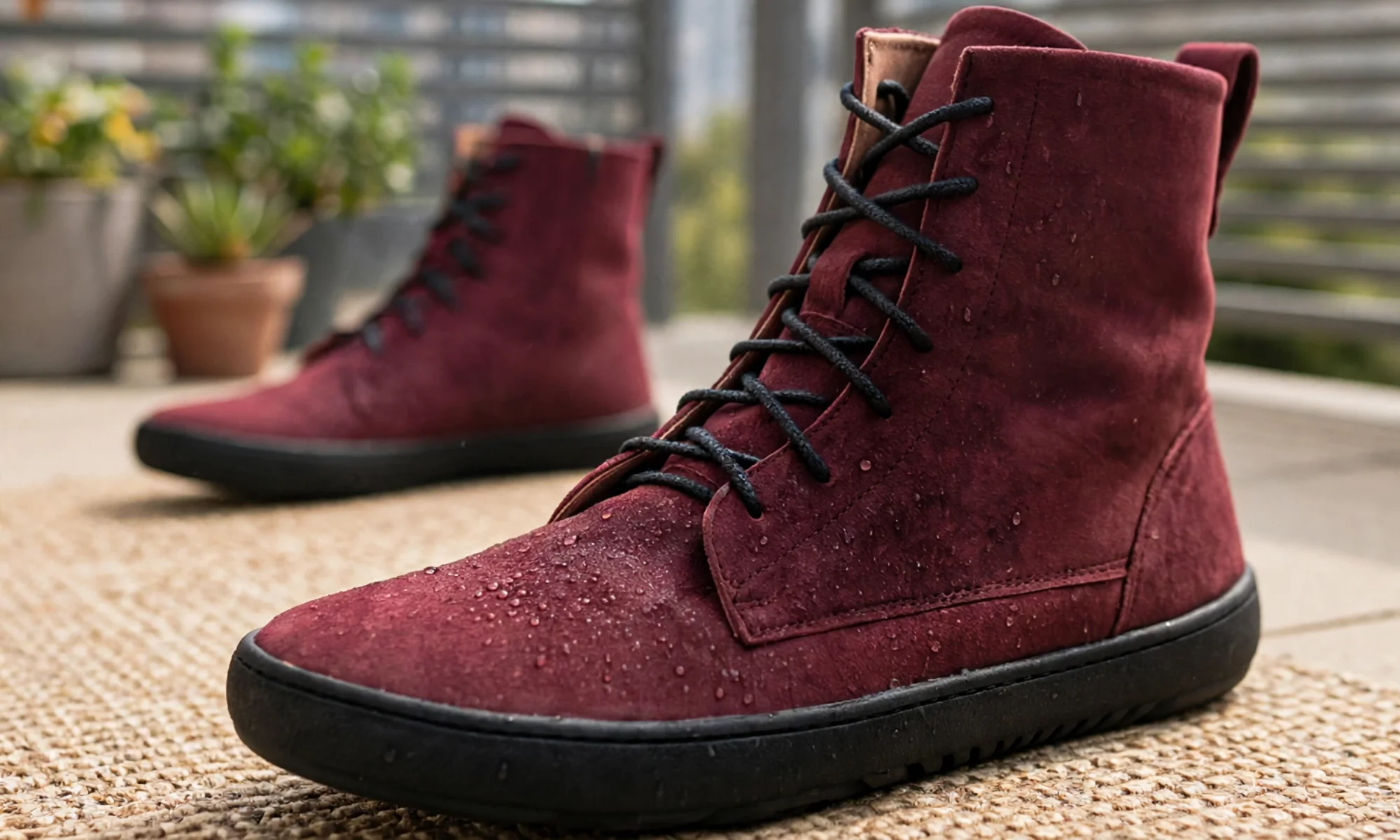
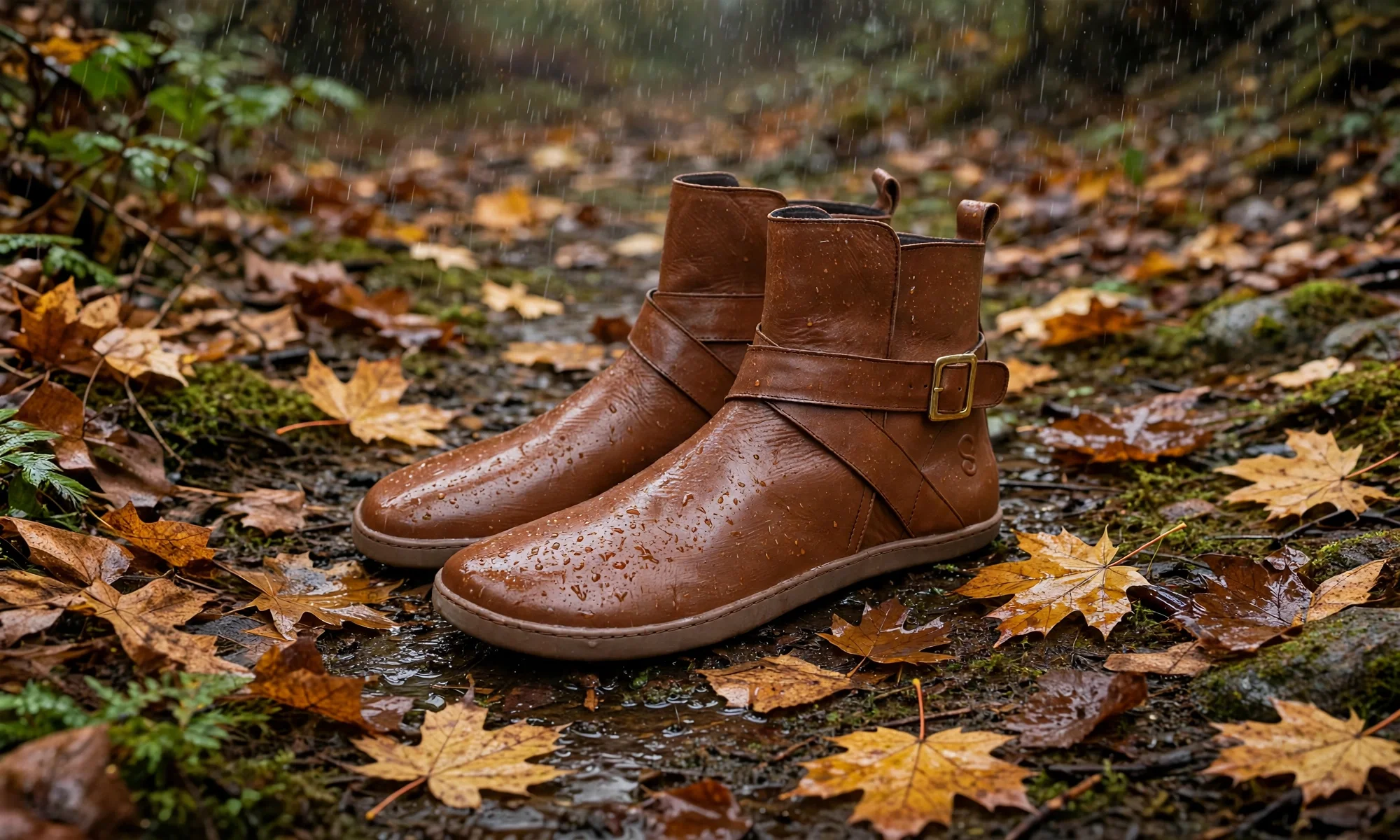
After the impregnation product is applied, a thin protective layer forms on the surface. Water doesn't soak into the material but forms droplets that roll off. The material stays breathable, so your feet don't sweat more than usual. Properly treated shoes crack less, don't dry out, and keep their original softness. Regular impregnation significantly slows down the ageing of the material.


Step-by-step impregnation
- Thorough cleaning - shoes must be clean and dry before impregnation. Remove mud, dust, and dirt with a soft brush or a damp cloth. For heavier soiling, use a cleaner designed for the specific material.
- Drying - let the shoes dry naturally at room temperature. Don't put them on a radiator or near a direct heat source, as this could damage the material.
- Choosing the right product - use an impregnation product suited to the type of material. Smooth leather needs a different product than suede or textile. For barefoot shoes, it's best to choose a product that doesn't restrict breathability. Take a look at our shoe care range and choose the right impregnation product for your shoes.
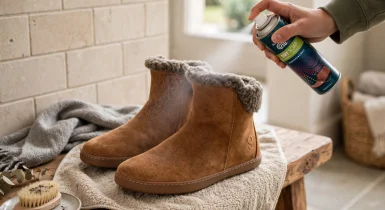
- Application - apply the product evenly, from the distance recommended by the manufacturer. The surface should be slightly damp, not soaked. Don't forget the seams and joins, where water gets in most often.
- Thorough drying - let the shoes dry completely, ideally for several hours. Only then wear them.
- Repeating - repeat the impregnation regularly, depending on how often you wear the shoes. If you often wear them in the rain, treat them more frequently.
What to avoid when impregnating
- Don't impregnate dirty or wet shoes
- Don't use all-purpose products regardless of the material
- Don't apply too much product
- Don't dry shoes on a direct heat source
- Don't forget to repeat the treatment regularly
Impregnating barefoot shoes properly is a simple yet very important step in shoe care. It helps your shoes keep their functional properties, comfort, and natural flexibility for a long time.