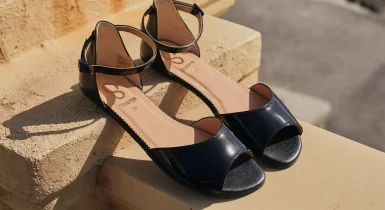
How to Transition to Barefoot Shoes in Summer? Tips for Beginners
The summer season is made for change - and if you’ve been thinking about switching to barefoot shoes, now is the perfect time. At SHAPEN, we believe every step matters. That’s why we’ve prepared practical barefoot tips to help you take your first step comfortably, safely, and with joy.

Summer is the season when we naturally spend more time outdoors, wear lighter footwear, and give our feet more freedom. That's why it can be the perfect moment to take your first step toward barefoot shoes. If you've been thinking about barefoot shoes, you might be wondering how to get started with barefoot, whether barefoot shoes are suitable for beginners, and what to expect during the transition.
What are barefoot shoes and how do they work?
Barefoot shoes are designed to respect the natural shape of the foot and its movement as closely as possible. Unlike classic footwear, they offer a wider toe box, a flexible sole, and zero drop.
Their goal isn't to "guide" or restrict the foot, but to let it work naturally. In barefoot shoes, the toes can spread more freely, the foot has more room, and the body can better sense contact with the ground.
These are exactly the qualities behind the benefits of barefoot shoes - more freedom of movement, comfort, and a natural feeling with every step.
Why is summer ideal for transitioning to barefoot?
1. More space for your feet.
In summer, we usually wear lighter, more open footwear - sandals, slides, or breathable sneakers. That’s exactly what barefoot models offer: your feet have space to breathe, move naturally, and activate every muscle.
2. Better conditions to start.
Dry pavements, warm ground, and spending more time outdoors create the ideal environment to gradually adapt to this new type of footwear - whether you're wearing barefoot sneakers, ballet flats, or sandals.
3. Faster awareness of the difference.
When walking barefoot or in barefoot shoes, you immediately feel how your feet engage. During summer, with more time spent outside, it’s easier to observe your body and notice the positive changes faster.


What are the main benefits of barefoot shoes?
Barefoot shoes support the foot's natural movement and let it work more actively. The most commonly reported benefits include:
- room for the toes thanks to the anatomical shape of the toe box,
- flexibility while walking,
- lightweight construction,
- a feeling of freedom while moving,
- comfort even during longer wear.
What can you expect during the transition to barefoot?
Switching to barefoot shoes is a process of adaptation. If you've worn classic footwear with a narrower toe box or a stiffer sole for years, your feet may react to the new way of moving. It's normal to notice mild muscle soreness or an unfamiliar feeling in your feet when starting out with barefoot shoes. This isn't a sign that barefoot isn't for you - it's often simply your muscles reacting to a different kind of load. A common question is: "Is it normal for my feet to feel sore after wearing barefoot shoes?" Mild feelings of fatigue or tension can be common during the transition, but it's important to listen to your body. If you feel significant pain, it's best to slow down and give your feet more time. And if you're curious how long the transition to barefoot takes, there's no clear-cut answer, since everyone is different. Some people adjust within a few weeks, while others need longer to adapt. Taking it gradually is what matters most.
How to start with barefoot shoes?
For barefoot beginners, we recommend a simple approach:
- Start with shorter walks. You can gradually add more time depending on how your feet feel.
- For your first pair, choose a comfortable model that fits the shape of your foot. Getting the right size is especially important with barefoot shoes - the shoe shouldn't squeeze your toes or restrict natural movement.


The most common mistakes when switching to barefoot
One of the most common mistakes is switching too quickly. If you've worn classic shoes your whole life, there's no need to change everything overnight. Another mistake is choosing an unsuitable model. Barefoot shoes should respect the shape of your foot - not every foot needs the same cut. Finally, many people forget that barefoot isn't just about the shoes themselves. It's also about more natural movement, greater foot awareness, and gradually building new habits.
Are barefoot shoes suitable for everyone?
Today, people with all kinds of lifestyles choose barefoot shoes - from those starting completely from scratch to experienced barefoot enthusiasts. If you're not sure whether barefoot shoes are right for you, start gradually and choose a model that gives you enough room and comfort.
How to choose your first pair of barefoot shoes?
Your first barefoot shoes should be comfortable above all. Focus on:
- the right length and width,
- enough room for the toes,
- flexibility of the sole,
- a material suited to the season you'll be wearing them in.


For summer, lightweight barefoot sandals, breathable sneakers, or elegant models are ideal, letting you discover barefoot comfort without compromise. Switching to barefoot shoes doesn't have to be a big change overnight. It can be a gradual journey toward more natural movement and greater comfort. Along the way, SHAPEN offers barefoot shoes that combine a healthy approach to movement, quality craftsmanship, and a design you'll love.