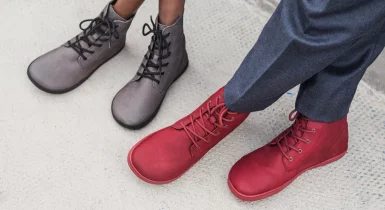
The difference in the production of ordinary shoes and barefoot shoes
The shoe manufacturing process is fascinating and complex. While each type of shoe has its own specifics, the manufacturing processes of casual shoes and barefoot shoes differ significantly.
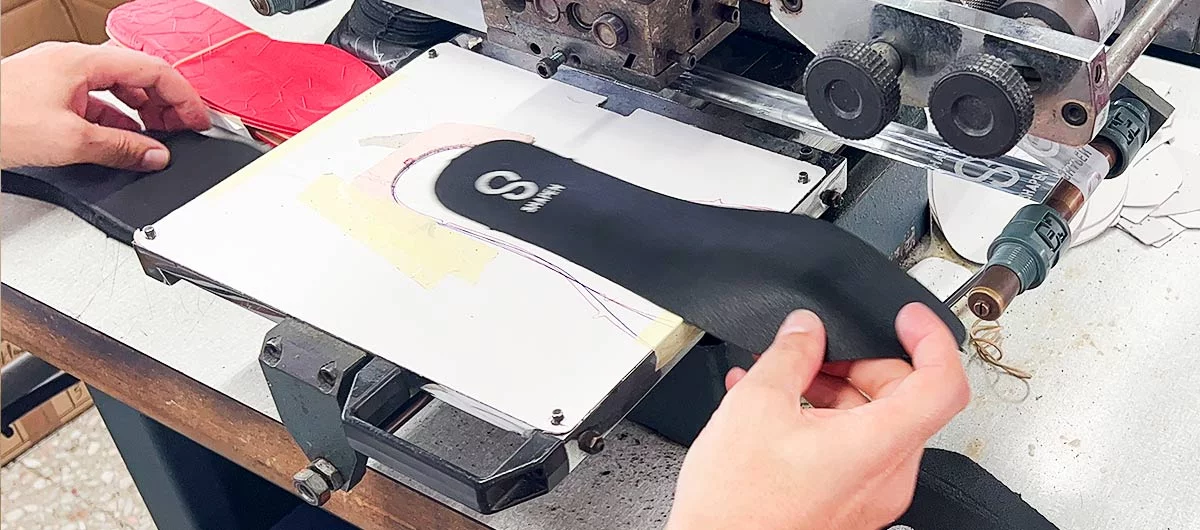
The production process of shoes is fascinating and complex. Although each type of footwear has its own specifics, the production processes of regular shoes and barefoot shoes differ significantly. This topic is important for understanding how shoes are made that promote natural movement and the health of our feet.
The footwear undergoes a complex manufacturing process that has evolved and improved over the years. It starts by designing a model shoe that will then be replicated in manufacturing. Subsequently, materials are selected from which the upper, sole and other components of the shoe are made. These materials are cut out with special knives or using a plotter and sewn together into a single unit.
In the production of ordinary shoes, often stiffer and stronger support materials are used, such as metal clips, stiff or steel toe caps, or reinforced heels, a hard screw insole, to ensure the stability and shape of the shoe.
Production of barefoot shoes is far more specific. The basic difference is the fact that new technologies, processes and special materials must be developed to replace traditional rigid support materials or metal clips. The goal is to maintain the natural movement of the foot and minimize unnatural restrictions.
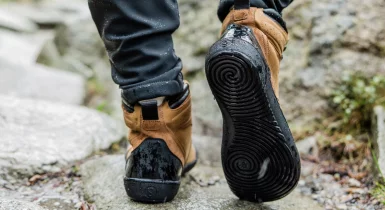
For example, the sole. In regular shoes, there are thicker and stiffer soles, which limits their flexibility. The soles of barefoot shoes, such as those sold by SHAPEN, are designed to be thin, lightweight, flexible while extremely durable. These characteristics allow us to feel the unevenness under our feet and adapt to different surfaces.
We also use special adhesives, stitch types and technologies to improve the comfort and support of the foot. While finding the right balance between functionality and design is a difficult task, it is crucial in the production of barefoot shoes, because in addition to the visual effect, it brings comfort and health benefits to the customer.
It is important to understand that quality barefoot shoes take into account our natural needs and contribute to the health and comfort of our feet. Therefore, if you are looking for shoes that promote naturalness and provide comfort, it is worth focusing on barefoot shoes and all their positive qualities. You will appreciate the best ones if you get to know the process of their manufacture.
Each pair of SHAPEN shoes passes through dozens of hands, from designers, skilled shoemakers, through seamstresses to strict quality assurance, before it reaches us to pamper our feet with comfort :).