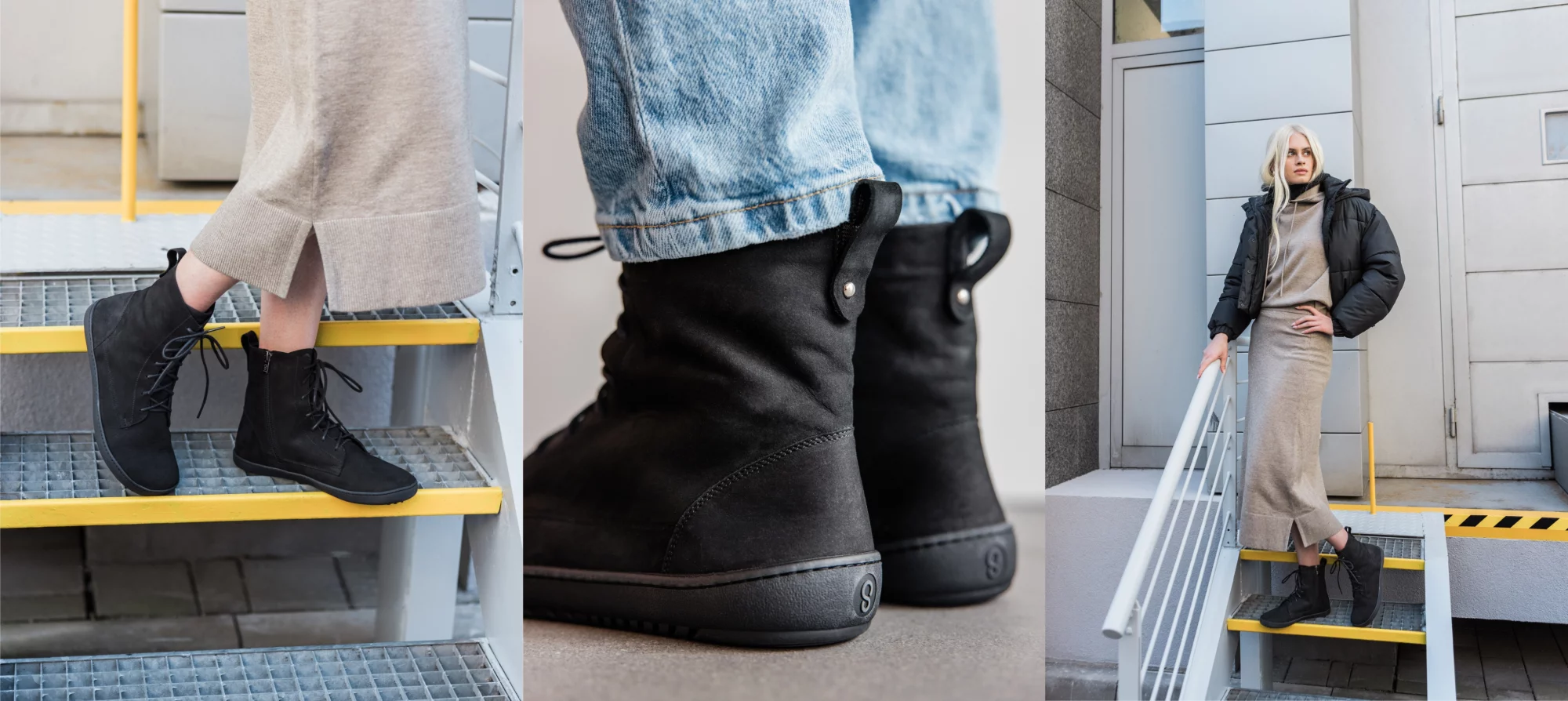
What type of feet are SHAPEN barefoot shoes designed for?
Not every foot has the same shape - and that shape can have a significant impact on how comfortable you feel in your shoes. Find out what type of feet you have, why it matters when choosing footwear, and why SHAPEN barefoot shoes can suit a variety of foot shapes.
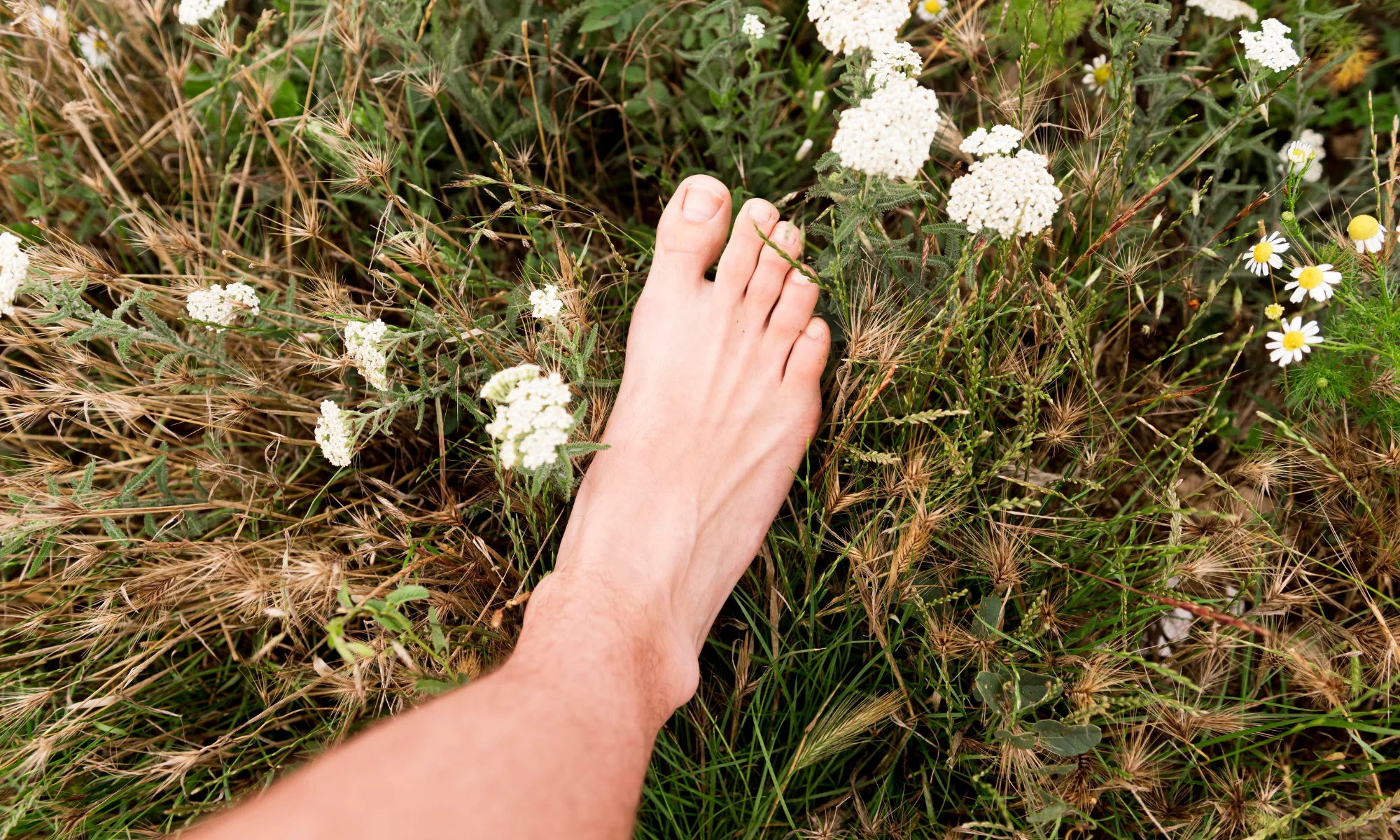
When choosing shoes, most people focus on size. Yet something even more important often gets overlooked - the shape of the foot. Every foot is unique, and its shape has a major impact on how comfortable walking feels.
You may have come across terms like Egyptian foot, Greek foot, or Roman foot. But do you know what they mean, and how they relate to choosing the right footwear?
What Is the Natural Shape of the Foot?
The human foot isn't symmetrical. The front part naturally widens, and the toes need room to move, maintain stability, and distribute body weight correctly. Many conventional shoes, however, follow fashion trends rather than anatomy. A narrow toe box can gradually squeeze the toes, leading to discomfort or even deformities over time. That's exactly why barefoot shoes are designed with an anatomical toe box that respects the toes' natural position.
The Three Basic Foot Types
Based on toe length, we distinguish three basic foot types:
- Egyptian foot - The most common foot type. The big toe is the longest, with the remaining toes gradually shortening toward the little toe. This shape is often seen as the aesthetic ideal, and many shoe brands design their shoes around it.
- Greek foot - Here, the second toe is longer than the big toe. People with a Greek foot often feel pressure on the second toe, especially in shoes with a narrow or low toe box. For this foot type, plenty of space at the front of the shoe is essential.
- Roman foot - The first three toes are roughly the same length. The front of the foot appears wider and needs shoes that allow the toes to spread naturally without being squeezed.
How to Find Out Your Foot Type
The easiest way is to stand barefoot on a sheet of paper or simply look down at your feet from above.
Pay attention to:
- which toe is the longest,
- how the other toes gradually shorten,
- how wide the front of your foot is,
- whether your toes naturally spread outward.
When choosing shoes, though, foot type alone isn't enough - width, volume, and overall shape matter too.





 Vegan
Vegan 
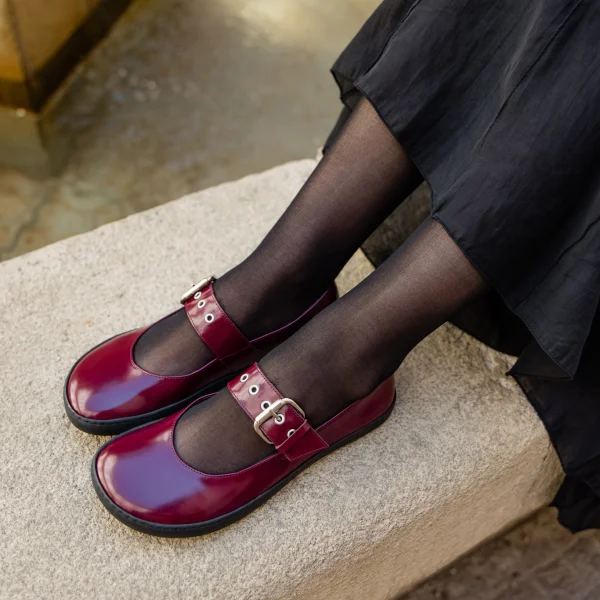

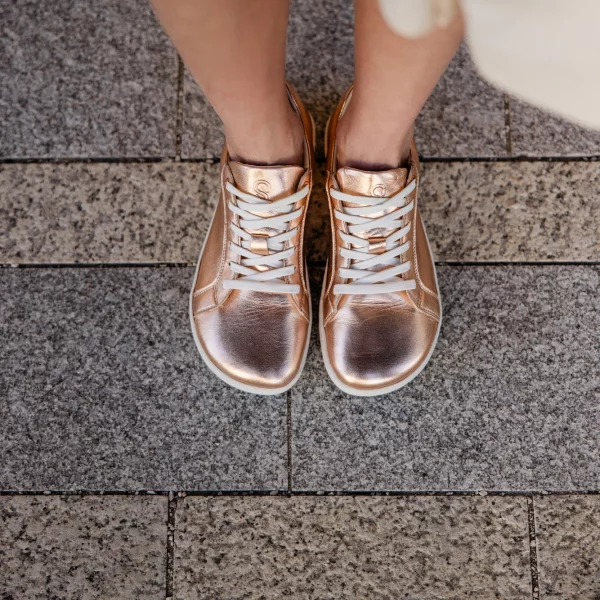
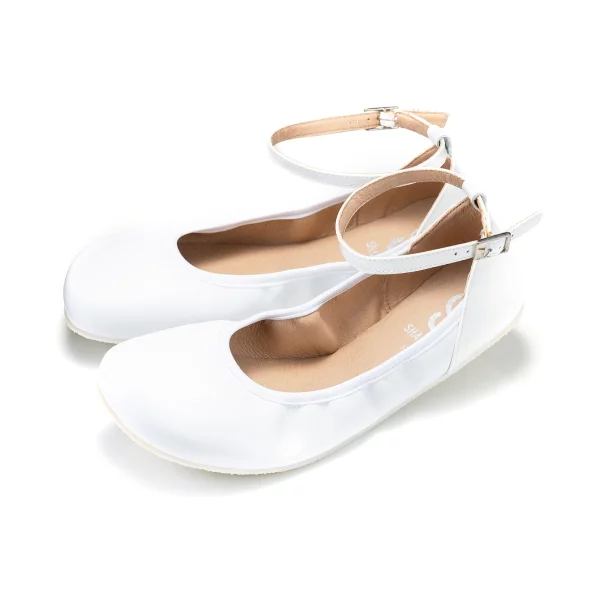
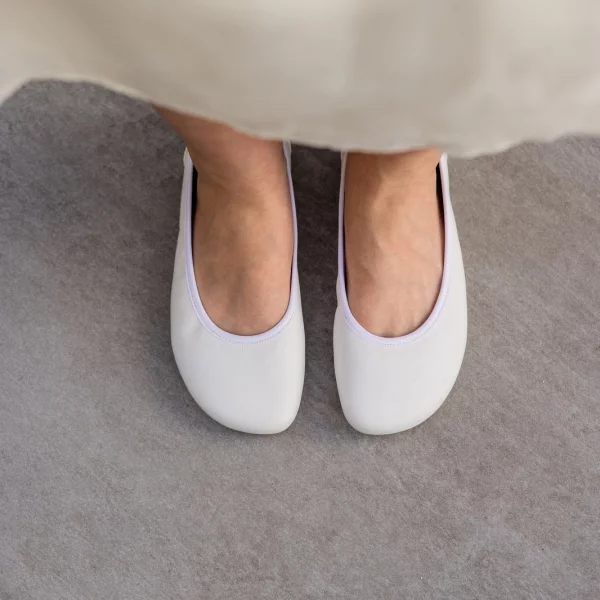


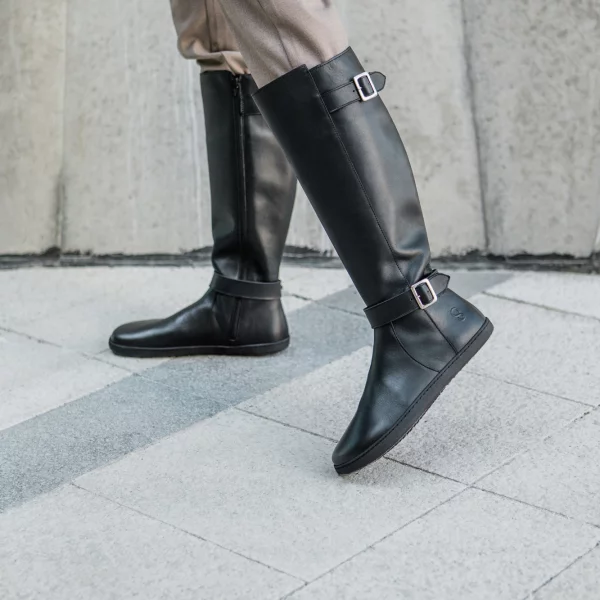
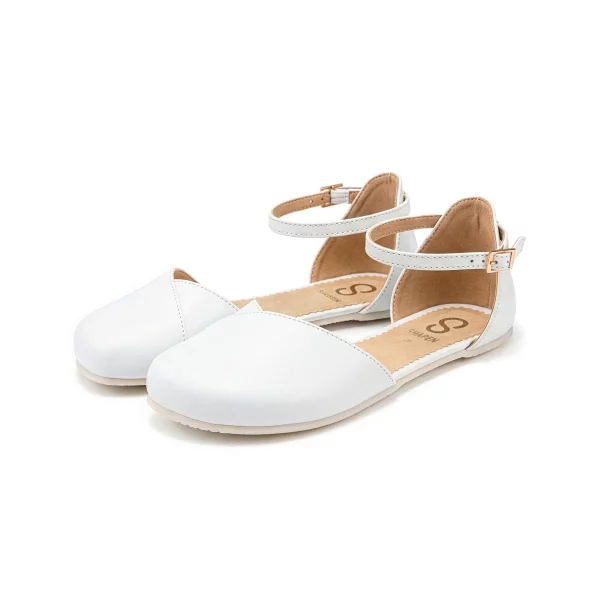

Are SHAPEN Shoes Only Suitable for the Egyptian Foot?
No.
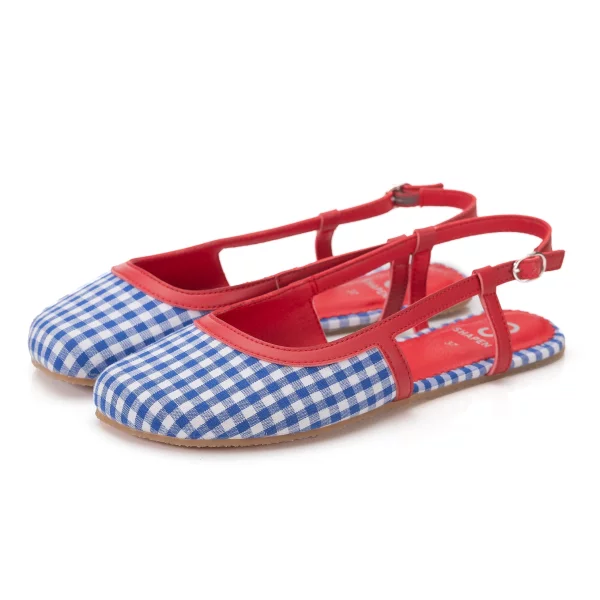
This is one of the questions we hear most often from customers - whether SHAPEN shoes only fit the Egyptian foot type. Our barefoot shoes for women, barefoot shoes for men, and barefoot shoes for kids are all designed to give toes of every foot shape enough room to move. Thanks to the anatomical toe box, toes can spread naturally without unnecessary pressure. That means SHAPEN barefoot shoes can suit Egyptian, Greek, and Roman foot types alike.
Why Does the Anatomical Toe Box Matter So Much?
The shape of a shoe's toe box is one of the most important features of any barefoot shoe.
An anatomical toe box:
- respects the foot's natural shape,
- gives toes plenty of room,
- helps maintain stability while walking,
- allows the foot to function naturally,
- adds comfort for all-day wear.
A wide toe box is one of the key differences between barefoot shoes and conventional fashion footwear.
Why Choose Barefoot Shoes?
Barefoot shoes are designed to mimic walking barefoot as closely as possible, while still offering protection from the outside world.
Typical features of barefoot shoes:
- anatomical toe box,
- room for toes to move,
- flexible sole,
- zero heel-to-toe drop,
- lightweight construction,
- natural ground contact.
Thanks to these features, feet can move and function more naturally and comfortably.
SHAPEN: Barefoot Shoes for Every Foot Type
At SHAPEN, we believe elegant footwear doesn't have to mean compromising on comfort. That's why we design our barefoot shoes for women, barefoot shoes for men, and barefoot shoes for kids to respect the foot's natural shape, give toes enough room to move, and still look elegant enough for the office, the city, or special occasions. Whether you have an Egyptian foot, a Greek foot, or a Roman foot, the right pair of barefoot shoes can bring you noticeably more comfort.