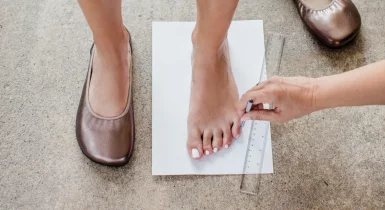
Why are barefoot shoes more expensive than regular shoes?
Barefoot shoes are often considered expensive, but few people realize how much costs are associated with their production and sales. Barefoot shoe brands struggle with high costs because what they do differs from conventional shoe manufacturing and practices.
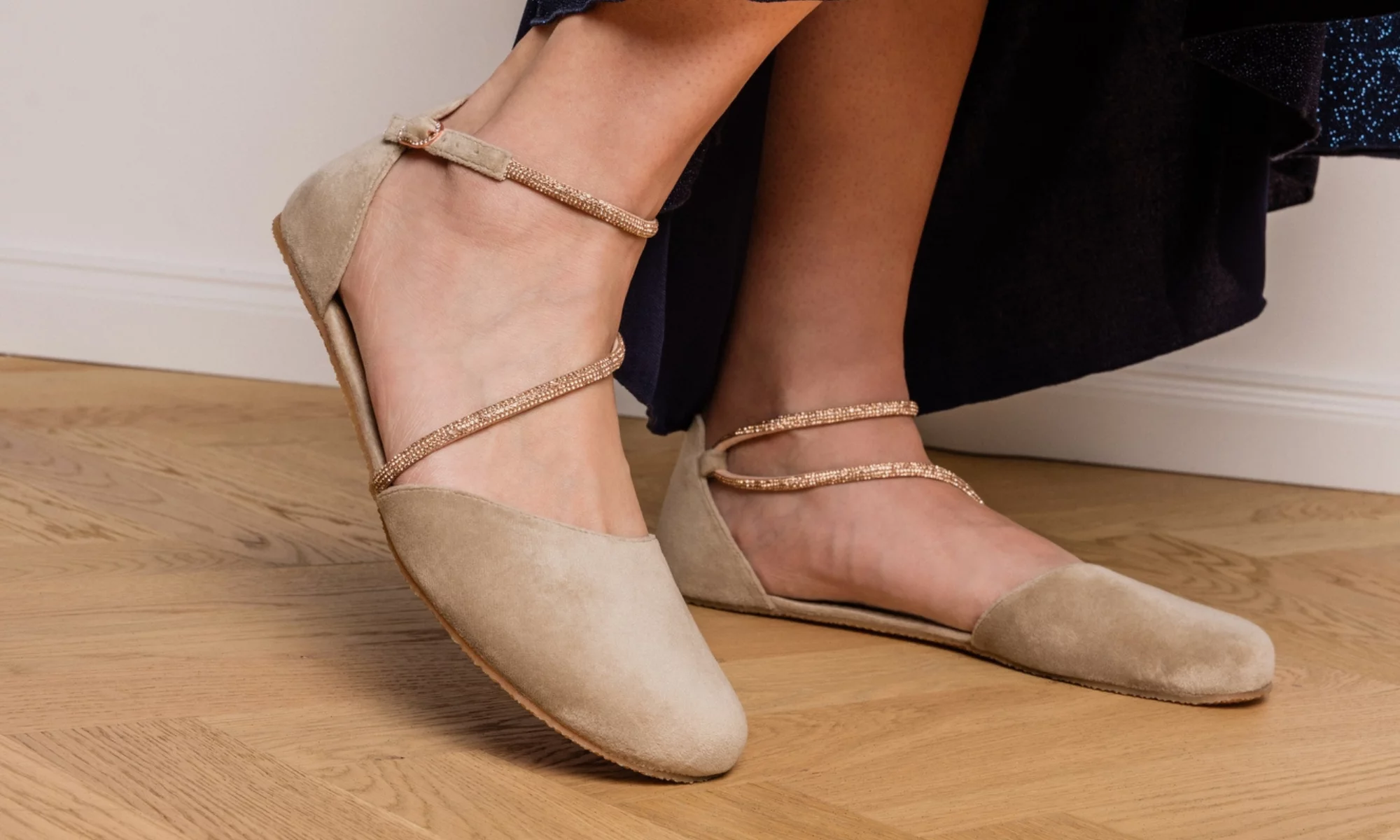
When choosing new shoes, many customers look not only at design, but also at price. That's often when the question comes up: Why are barefoot shoes expensive?
At first glance, barefoot shoes may seem more expensive than regular footwear or classic sneakers, but the difference isn't just about the product itself. Behind every pair of barefoot shoes lies extensive development, testing, quality materials and precise craftsmanship.
Barefoot shoes aren't designed merely as a fashion accessory. Their purpose is to respect the natural shape of the foot, support free movement and bring comfort while wearing them.
The difference between barefoot and regular shoes
When comparing classic footwear with barefoot footwear, it's important to look at their construction. Regular shoes are often made to achieve a particular fashionable shape, added stiffness or visual effect. Many models use narrow toe boxes, firmer materials or structural elements that change the way the foot functions inside the shoe.
Barefoot footwear is designed differently:
- an anatomical shape that respects the natural foot,
- room for the toes,
- a flexible sole,
- low weight,
- a more natural movement while walking.
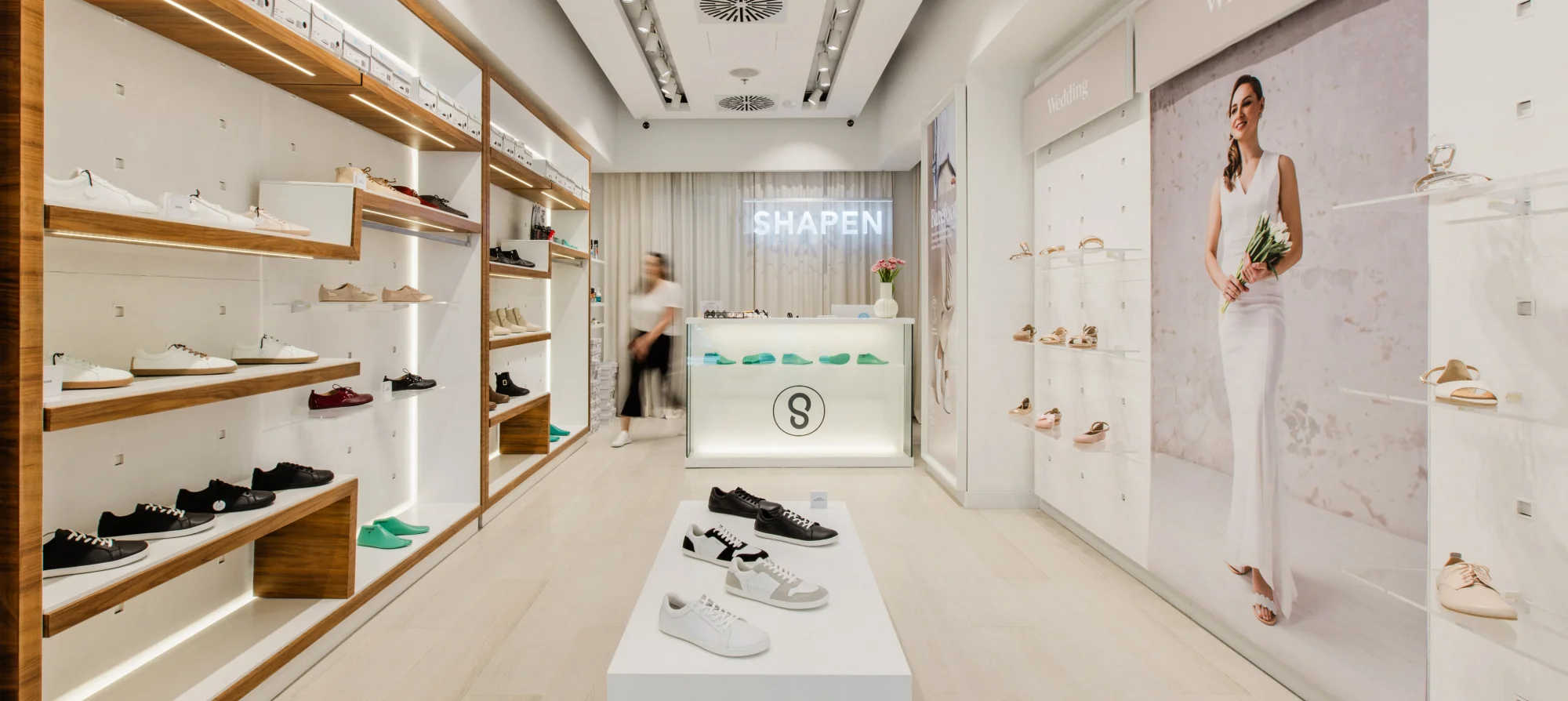

Why do barefoot shoes cost more than fast-fashion sneakers?
With regular mass-produced footwear, a large part of production is geared toward high volumes and low costs. Fast-fashion shoes are often made in huge batches, where the priority is production speed and an affordable price. With barefoot footwear, the situation is different.
Behind every model, there is:
- construction design,
- shape development based on the natural anatomy of the foot,
- prototype production,
- testing of comfort and functionality,
- adjustments to the cut,
- selection of suitable materials.
The result isn't just a shoe, but a carefully thought-out product designed to meet specific functional requirements.
Barefoot manufacturing: where details make the decision
One reason barefoot manufacturing is more demanding lies in the shoe's construction itself. With a barefoot model, it's not enough to create a classic shape and adjust the sole. Every detail has to work together:
- the shape of the toe box,
- the flexibility of the sole,
- comfort while walking,
- stability,
- the way individual parts are attached.
During the production of SHAPEN shoes, every pair passes through the hands of several specialists - from design all the way to the final quality check. Smaller production batches allow for greater attention to detail and help maintain the quality customers expect.
Why are barefoot shoes made in small batches?
Smaller batches allow for better quality control, more precise workmanship, closer attention to detail and more flexible development of new models. With barefoot footwear, it's essential that every element works correctly - from the very first design all the way to the moment you put the shoe on.


Barefoot materials: quality you can feel
The price of barefoot shoes is also linked to the choice of materials. Quality barefoot footwear uses materials that must meet several requirements: softness, durability, flexibility, breathability and a pleasant feel against the skin. At SHAPEN, we select materials with an emphasis on quality and longevity - from natural leathers to modern textile materials.
For the materials we choose, we also pay attention to their origin and certification, so we can offer customers footwear that combines comfort, design and a more responsible approach.
Sustainable footwear: fewer compromises, longer lifespan
Cheaper shoes aren't always cheaper in the long run. Low-quality materials and fast production often mean a shorter lifespan. Quality barefoot footwear is an investment in:
- more durable materials,
- better-crafted details,
- longer use,
- comfort with every step.
That's also why barefoot footwear belongs to the category of products where the price often reflects the amount of work hidden "inside" the shoe.
Is it worth investing in barefoot footwear?
If you're looking for shoes for just one season, you might compare only the price tag. But if you're looking for shoes that respect the natural shape of your foot, offer more room, last longer and that you'll wear often, then barefoot footwear can be a worthwhile investment.